Milan and Liguria, Italy
Fabian and I had been in Europe for about 9 months, but had not yet made it to Italy. We had this idea that Italy would be so amazing, it would be impossible to go there for the weekend. Being a good two hour flight, it seemed sensible to go to closer locations for weekends away - Paris, Brussels. That is, until we went.
We both had to travel to Milan for work, and took the opportunity to stay the weekend. And what a fantastic introduction to Italy - getting off the plane and it’s 28 degrees! (Instead of the 20 degrees of London…) The warmth felt so strange, to be in Europe and be warm just didn’t feel right. But now I am finally learning that Britian is always somewhere between cool and cold…
Our colleagues were somewhat dismissive of Milan, instead waxing romantic about the glories of Rome, Naples, Venice… It’s true that Milan is an industrial city, with only a “normal” amount of sites, compared to other places in Italy that have a surfeit of art and architecture. But, Milan certainly does have that Italian approach to life - it has Italian coffee, sunshine, food and scooters. So as a first introduction, it was a good one (if a trifle dusty at times).
I found Milan a bit hard to get a handle on at first. I think the hotel where we stayed certainly wasn’t in a major restaurant area. And maybe due to the cold winters, many streets in Milan present simply a row of blank facades, not until you walk down the street can you tell which is a cafe, which a shop, and which a private house. This can lead streets to have an empty look, especially out of the city centre. After a while you realise that the city is not deserted, in fact the cafes and bars are quite busy, but there is little buzz on the street to give this away.
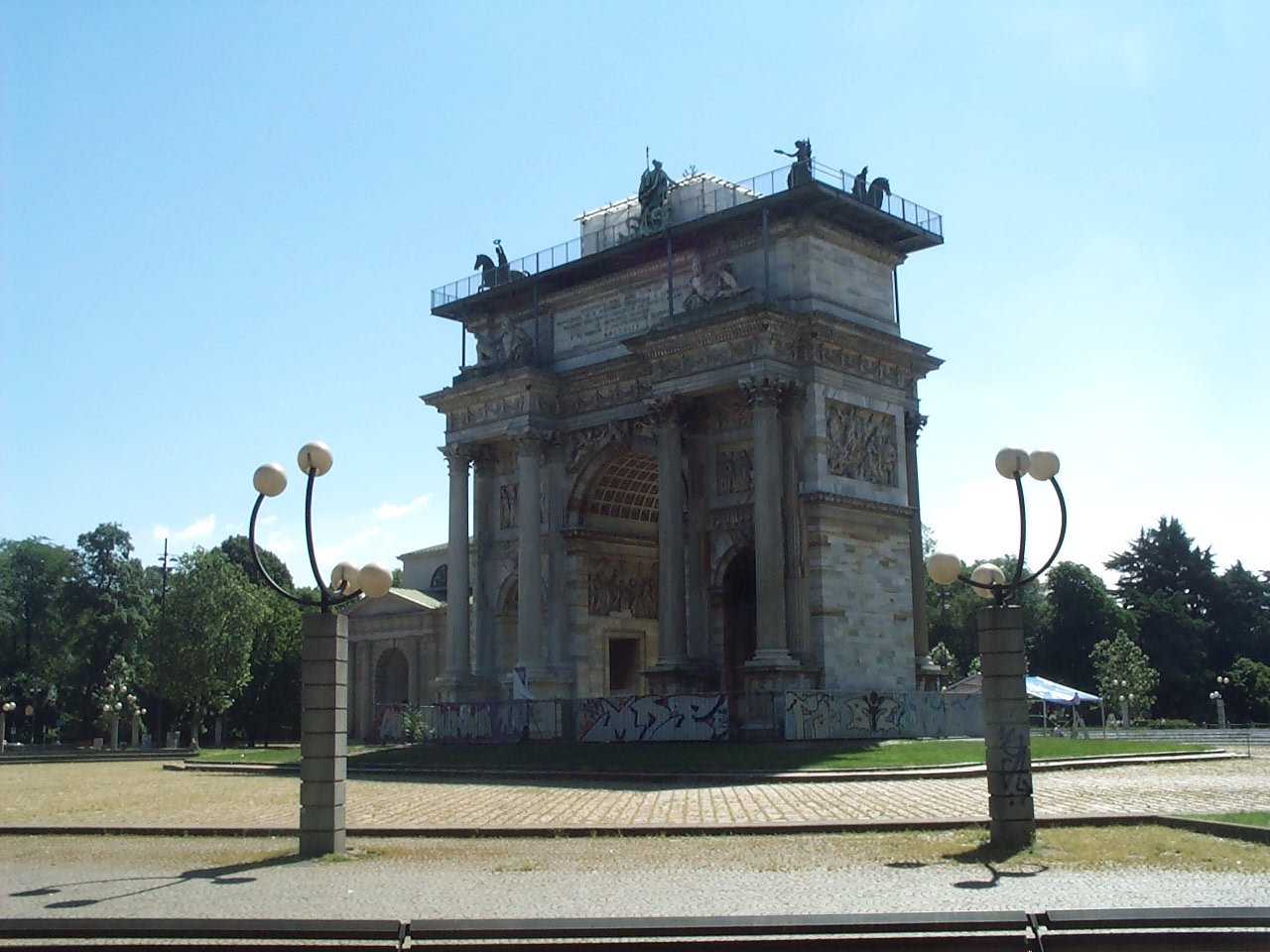
The first day I was there I wandered down to the Castello, or castle, of Milan. This enormous edifice is in the Parco Sempione, and contains a whole bunch of free museums containing not very interesting stuff, like pottery, textils, musical instruments and such. Still it was interesting to wander around for a couple of hours! The park it’s in was described as an “English” garden (I am now realising that the English have actually done a lot of garden design and are considered quite good at it) but it was a lot dustier than an English garden! A classic example of why applying plants and design for a cool climate is not suitable for a hot climate. Gravel paths, for example, while pleasantly crunchy underfoot in England, and help prevent the creation of mud holes in winter, produce lots of dust in Milan.
Down to Via Dante for some outdoor lunching, which was fantastic in the sunshine. Luckily for me the main restaurants were all busy, so I chose one on a small side street. I didn’t know it at the time, but this was much cheaper and served authentic coffee. (If you are not careful, you can get “tourist” cappucine in Italy, ghastly things served in glasses with half a tonne of chocolate on top. Real Italian cappucine, of course, are served in small cups with no chocolate, and taste fantastic.)
After lunch I wandered into the main plaza of Milan, which contains the enormous Duomo, (cathedral) and the Gallerie Vittoria Emmanuelle II, a covered shopping arcade. I paused for a rest on the steps of the Duomo and listened to an Italian shark chat up a pretty American student next to me. She must have twigged he wasn’t just being friendly because she wandered off. When he started to chat to me I thought it was time to go inside!
Churches might sound boring, but actually they are great when walking around hot dusty cities. They are cool and dark, have seating, are full of pretty objects, and allow you to plan your next destination in peace. The Duomo in Milan happens to be enormous, the biggest in Europe I think. I would have to say I found it too large, a bit soulless, and frankly too dark to look magnificent. However, it did allow me to catch my breath and head for an art gallery.
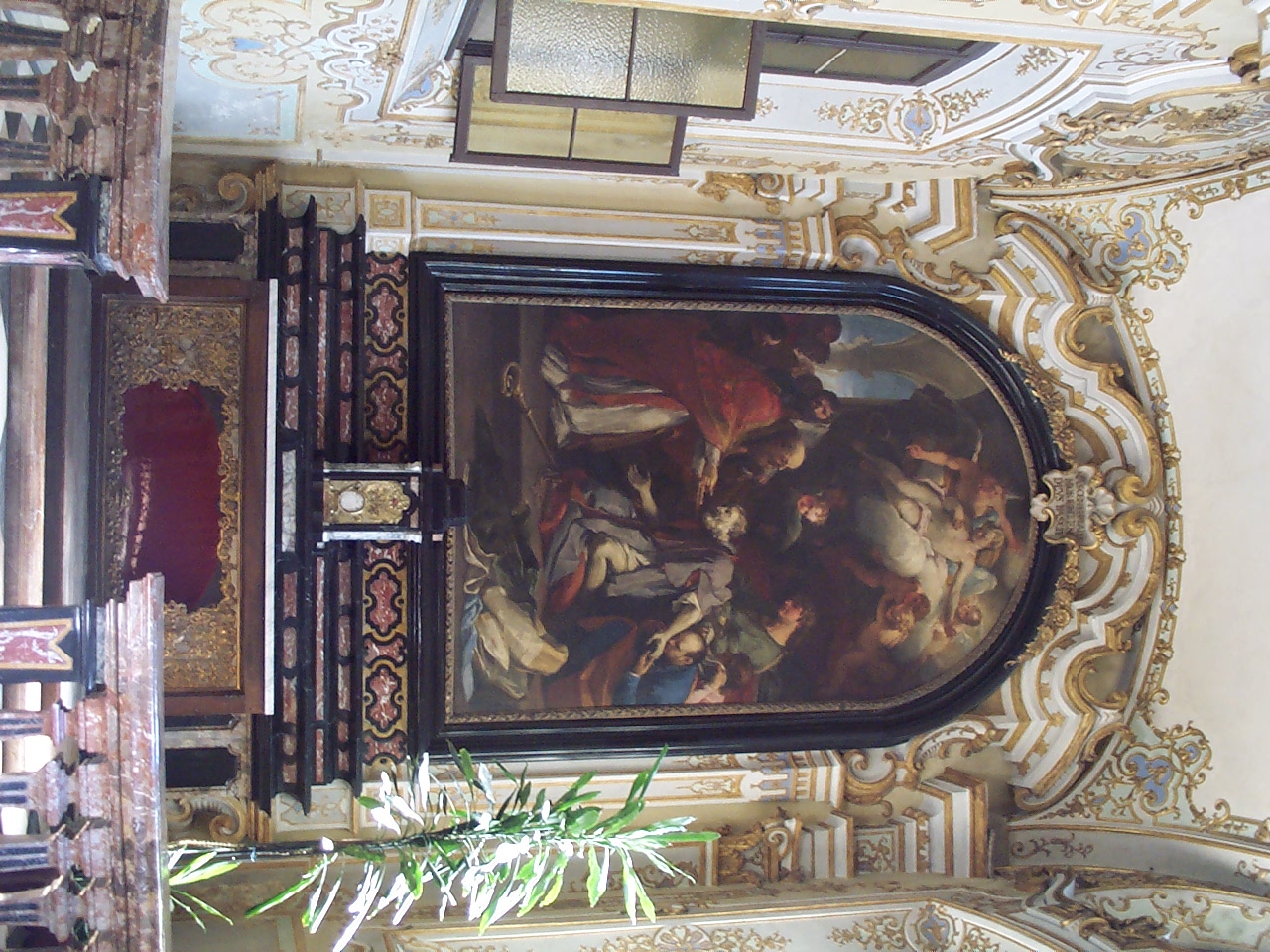
The Pinoteca Brera is a major art gallery, with a good collection without being too big. I enjoyed seeing some of the enormous, magnificent religious artworks, but after a while you wonder exactly how many variations on the “Madonna con bambini” there can possibly be (the answer is, a lot). So the small but interesting collection of modern art is quite a relief.
Finally time to head back to the hotel. Fabian and I met up for dinner and we headed out to a place mentioned in the guidebook as near our hotel. It was quite a hot night, so first we stopped in the Jazz Cafe for a drink. They were busy serving concoctions of mint leaves, lime, and alcohol so we got one of those, which were delicious. The bar was quite busy, full of Milanese on the phone. Apparently Italy has one of the highest concentrations of mobile phone use and after visiting I can believe it.
Food
The restaurant turned out to be our first introduction to classic Italian cuisine and dining style, and I have to say it’s one of the best I’ve come across! Firstly, the establishment was small. It had amateur photographs on the wall. The two waiters spoke excellent English and immediately switched to it when they realised we couldn’t speak Italian. They described the specials and we chose without ever seeing a menu.
The first course is the antipasto. A course that is dominated by salami in Australia, but in Italy is the place in the meal for vegetables and handmade delicacies. Some simple grilled eggplant and zucchini, dressed with zesty olive oil? Or a Milanese specialty, veal with onion? Some anchovies, laid out in a star pattern on a plate? Over the time we were in Italy, we had loads of different antipasti, and it became my favourite part of the meal. Usually the dishes are laid out on a trolley, so you can see what you are choosing and you can try a little bit of several dishes. We had tomatoes stuffed with tuna, meatballs, grilled vegetables of all kinds, anchovies and other fish, eggplant with mozzarella and basil, zucchini stuffed with pork, beans served with tomato (and a hint of chilli)… The variety was outstanding, with plenty of room for local specialties. And despite rumours, it is not that oily! In Italy, it was explained to us, olive oil is added as a condiment, so you can choose how much you add.
The piatto primo is usually pasta. And the pasta you get in Italy is usually home made, or bought fresh made that day, and always excellent. I think to understand why pasta in Italy is so good, you have to understand how pasta in Australia has been so perverted from its original intention! Firstly, in Italy pasta is only part of a meal, so the serving sizes are quite manageable. But in Australia, it often IS the meal, so servings tend to be enormous and people therefore think pasta is unfinishable. Also, in Italy the pasta doesn’t have to be a single, balanced meal, with half the vegetables in the house thrown in. Because you have your vegetables in another course, you can have simple pasta with mushrooms, or pasta with basil sauce (pesto). The pasta dishes are much simpler, and much better. In short, pasta in Italy is fantastically varied, with all different shapes and sauces. No two restaurants offer the same dishes, so what might seem a predictable course is actually always interesting.
The piatto secondo is usually the meat dish. And even here, the variety was large. Typically a restaurant would have six or so meat dishes, AND six or so fish dishes! (Compare this to France, where a typical bistrot has four or five main courses - beef, veal, rabbit, duck, and fish-of-the-day. Boring. I know I shouldn’t compare cuisines, and to be fair bistrots are inexpensive places to eat, but still. Italian food rocks.)
I really enjoyed the range of food available. That first night Fabian had osso bucco, or veal stew, and I had fried fish. Very good, and very simple.
After you’ve washed down the second course with the last of the wine, the dessert trolley rolls around. Again, you can see all the choices and have a little bit of this, a little bit of that… yum! My kind of dining! Desserts probably tend to be the most traditional area of Italian food. Yet, because Italian is blessed with some great desserts, this is not a problem! You can always get gelato, and desserts like pannacotta, tartufo nero, often even tiramisu (although presumably even that has become old hat, because we only encountered that once).
Finally, coffee is served, just to help it all go down, and a digestive if you like. On our last day we tried limoncello, a liqueur made from lemons, with a smell and flavour that captures the richness of lemons and downplays the sharpness.
Finally, two to three hours later, you roll out of the restaurant, full but not uncomfortably so because the whole dinner took so long, and collapse into bed. (By this time it is usually midnight or later because often you won’t start eating until 9pm.)
This is Italian food at its best, and admittedly this is not cheap. The other extreme is grabbing a slice of pizza from a pasticceria during the day. But fortunately travelling on the English pound makes these enjoyable experiences achieveable more often than they would be on the Australian dollar :-)
We had three memorable meals like this, so we were incredibly lucky. Our first night was just chance, but on the Friday a Milanese work colleague and his wife took myself, Fabian, and our colleague Gina out to dinner at a Sicilian restaurant. Same style, but with Sicilian specialities. People always comment on how Chinese cuisine is shared around, but you can do the same thing with Italian! We got several bowls of pasta, and since we all had out own plates, it was a simple matter to experience each different type. A specialty was pasta with tomato and a hint of anchovies (big in Siciliy obviously). For main, several people wanted the fritto misto, or mixed deep fried seafood, so they brought out a big bowl and we all had some. I enjoy trying different dishes so I found the informality of the meal very enjoyable.
Churches
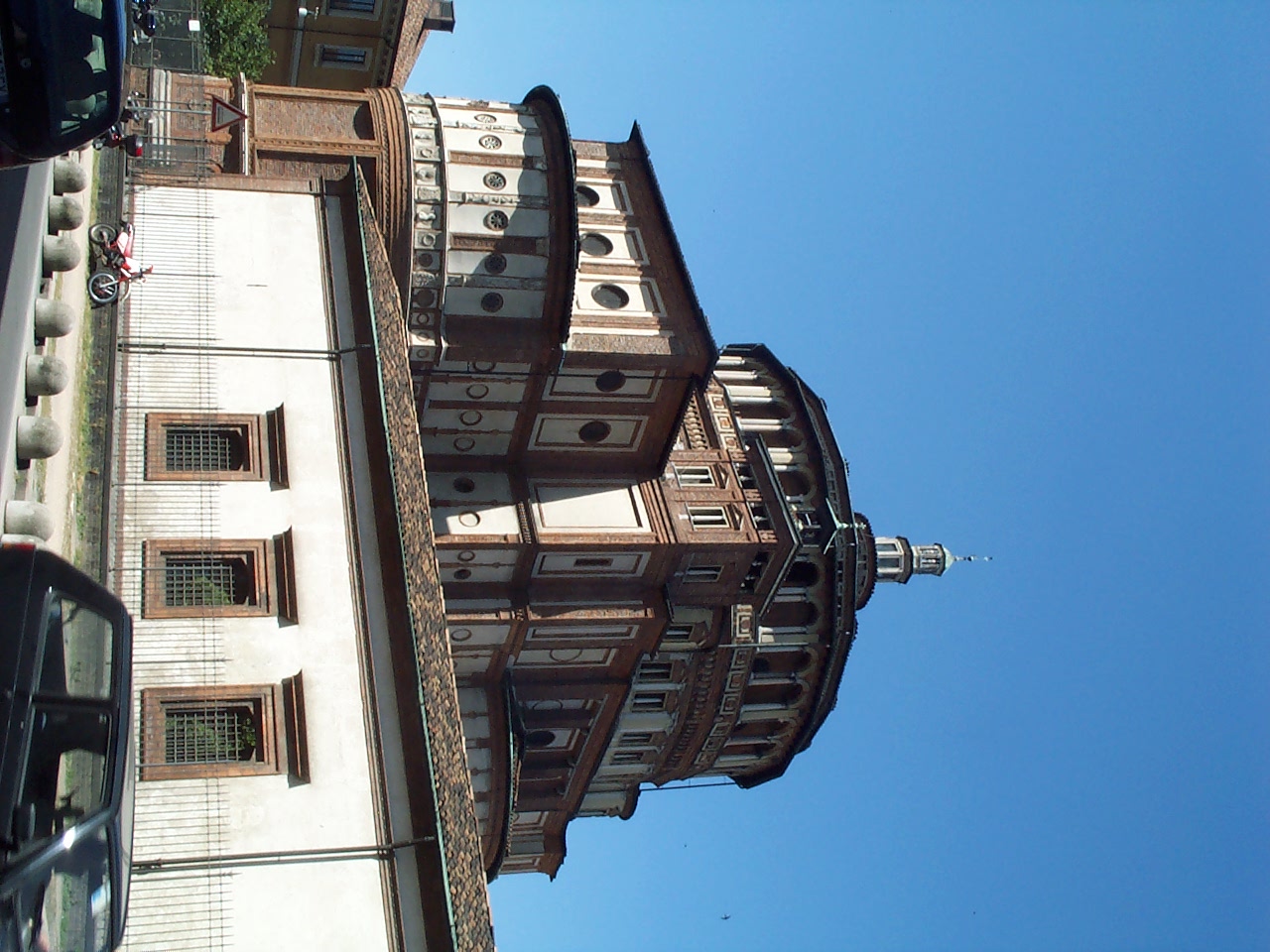
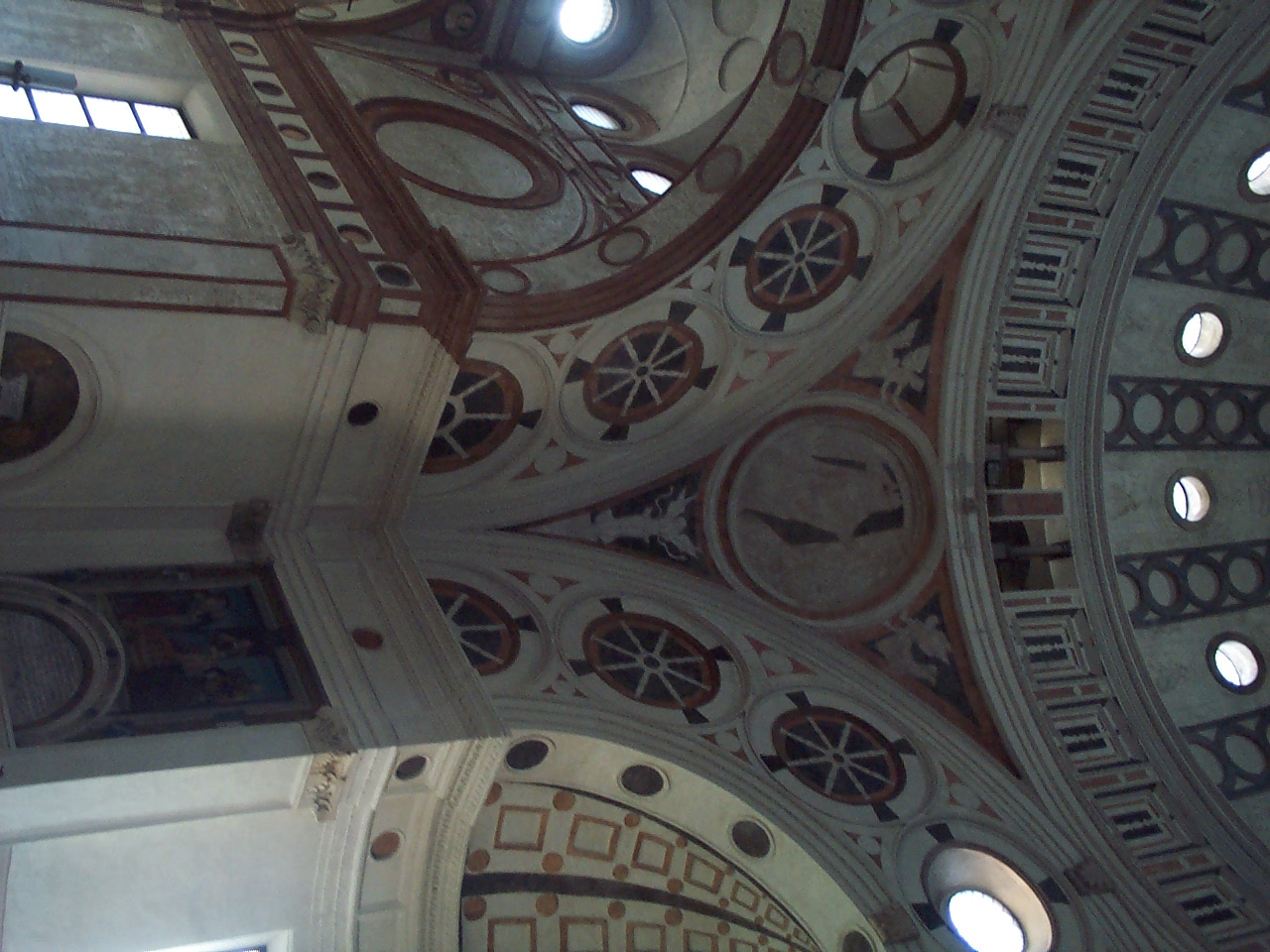
Well, off food and onto my excursions in Milan. The second day I decided to visit several churches. First, the Santa Marie della Grazie, a beautiful church that also houses Leonardo’s The Last Supper. I found this church gorgeous, and different, and the reason was it was so old! It was first constructed in the 3rd and 4th centuries AD - much younger that most of the other churches I have seen (such as Stephansdom in Vienna, from about 1100AD?). This meant the church is simple and fresh, approachable and human size. It has magnificent inlays of geometric designs in the interior. Possibly like all really old things, the only remains visible today are the durable stone ones, so if there were any painted decorations originally they have not survived. Neither are there any stained glass windows.
Still, the church was lovely, quite different. Now time for the Last Supper. Yes, I expected it to cost a lot. And, having already seem the art in the Brera Gallery, I was also expecting the painting to be quite dim and dark (in the Brera I could usually see the painting better in the guidebook, which must have lightened the photographs, rather than the artwork 2 feet in front of me!). However, what I wasn’t expecting was the overwhelming popularity of the Last Supper (it is I suppose the only big attraction in Milan), so that all tickets are sold by telephone only, have timed entrances, and in fact were sold out! Oh. I realised the large group of elderly Americans behind me were the next tour group, milling around until their designated time became available. Sold out hey. Well. I decided I wasn’t so fussed seeing a dim painting, and moved on.
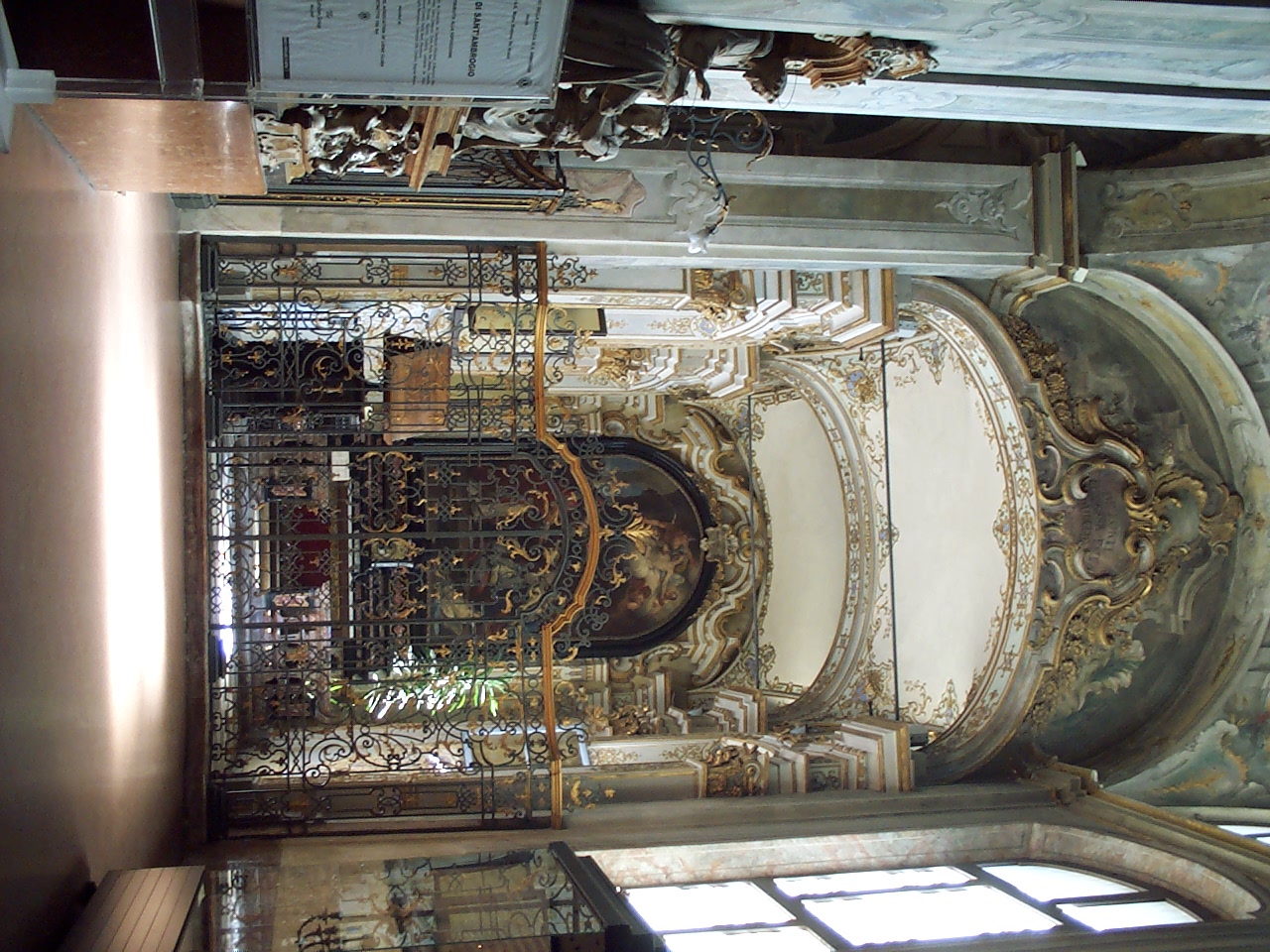
Milan really does start to get quite dusty and hot in the warm weather, so I was glad to head off, grab some water, and sit down for a coffee and lunch. After this I headed off to another church, San’ Ambrogio. This was a nice refuge from the heat and contained several large paintings. I certainly found the paintings in the churches much more meaningful than the ones extracted to a cool, white art gallery. Context is everything I guess.
San’ Ambrogio was a fun church. As I was wandering around the back of it, I heard the organist start up “Here comes the bride”. A strange choice of music for tourists, I thought, only to round a corner and see a wedding under way! The churches in Italy, apart from being full of tourists, are definitely working churches!!
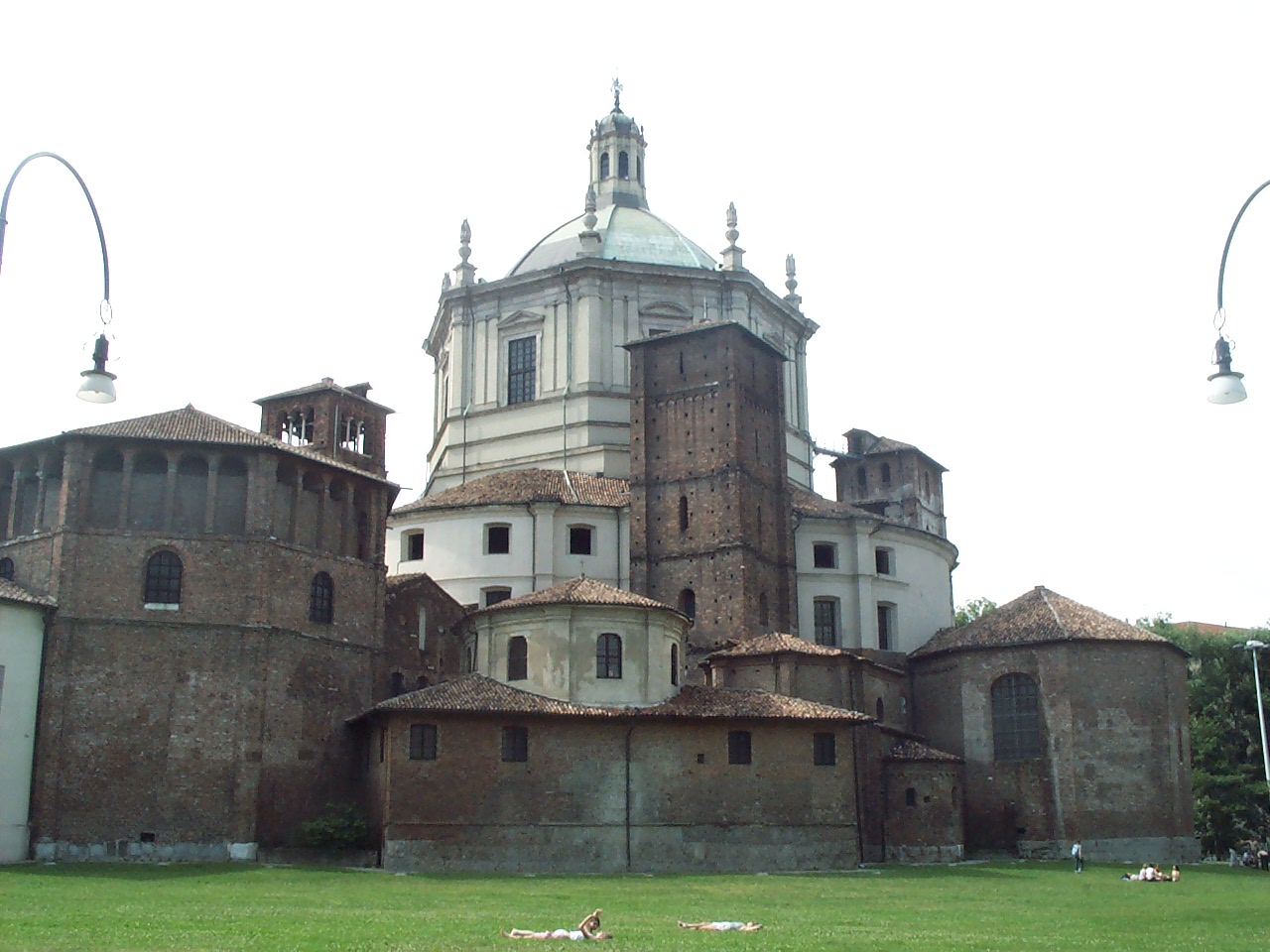
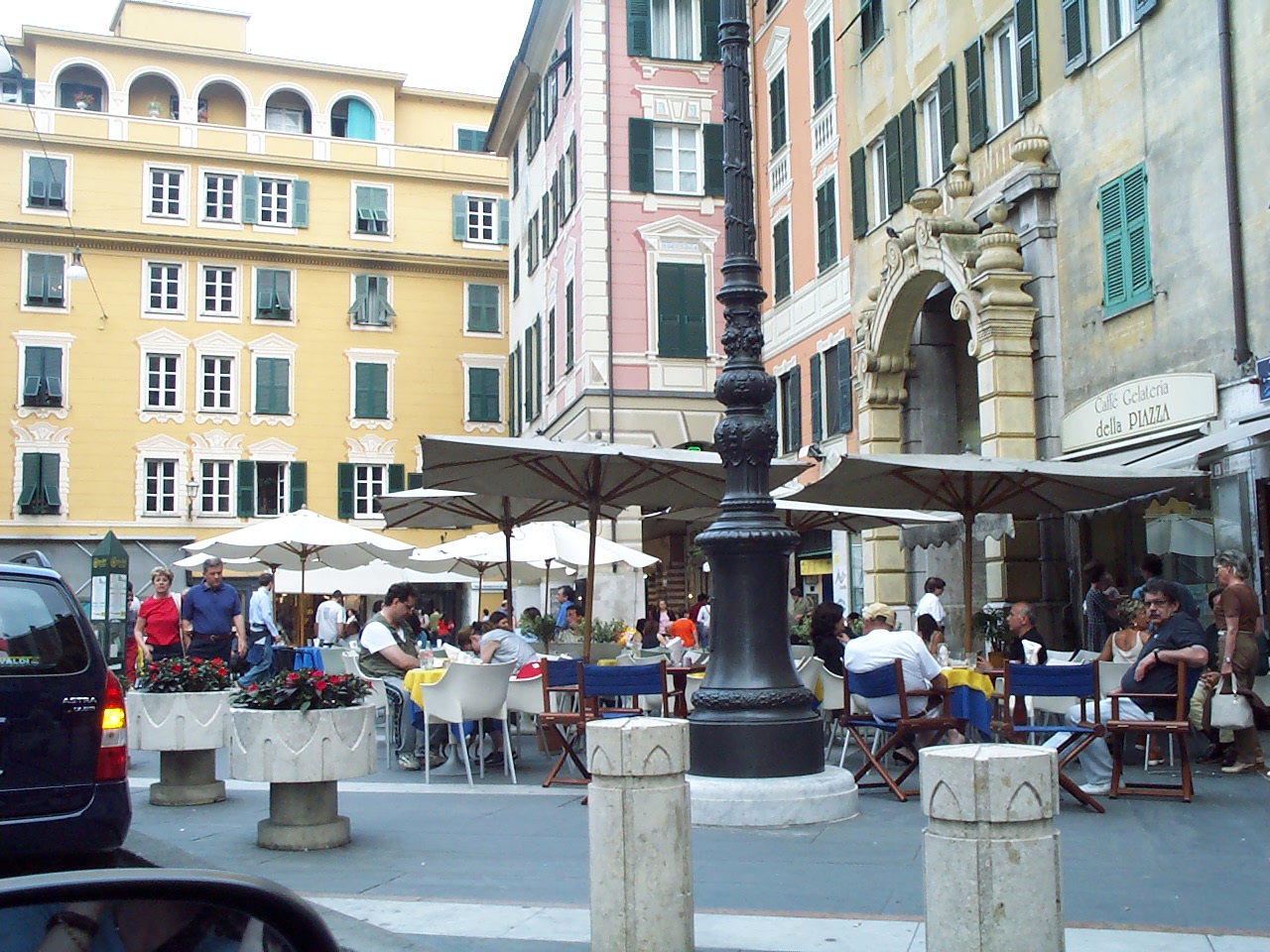
Headed off the to last church on the itinerary, San Lorenzo. On the way succumbed to gelato envy and had a melon gelato, which was fantastic and has converted me to gelato for life. Ice creams in Australia wouldn’t normally be eaten on a daily basis by Australians, I don’t think, even in the heat, but everywhere in Milan there are gelaterias doing a roaring trade. Perhaps because they sell gelato and granita, a refreshing, icy concoction.
The San Lorenzo church was very unusual because it was a round church. There was no long entrance way, designed to show off the wealthy city’s stained glass. Instead, you open the door, and there you are - right behind the seating. Again, this was another very, very old church, started sometime in the 4th century AD. It had a nice chapel that I had to pay to go into, but that had an enormously ornate altar. Although I enjoyed it, I think I would have preferred more detail than my guidebook gave. A paragraph or two doesn’t really do justice to the amazing lives these buildings have led.
Ligurian coast
After our late dinner on Friday at the Sicilian restaurant, we decided the next day to hire a car and go down to the coast. This was largely at the urging of Gina, our colleague who also spoke Italian and had lived in Italy before. And, I’m glad she did, because getting out of the big city was an inspired move. We got a last minute hire car around midday and headed off down the autostrada to the coast. A strange thing for both Australians and Britons are the toll roads in Europe. Magnificent two and three lane freeways, and they cost money - quite a lot sometimes. We used them in Spain when we were there, but found them a bit puzzling because there good alternatives. The national highway in northern Spain was dual carriageway and good quality. It was twistier than the autoroute, which are expensive because they blaze straight across the countryside, going through mountains and over valleys. They must cost billions to build! I’m not sure what the alternatives are in Italy because with our short time frame, we wanted to travel as quickly as possible.
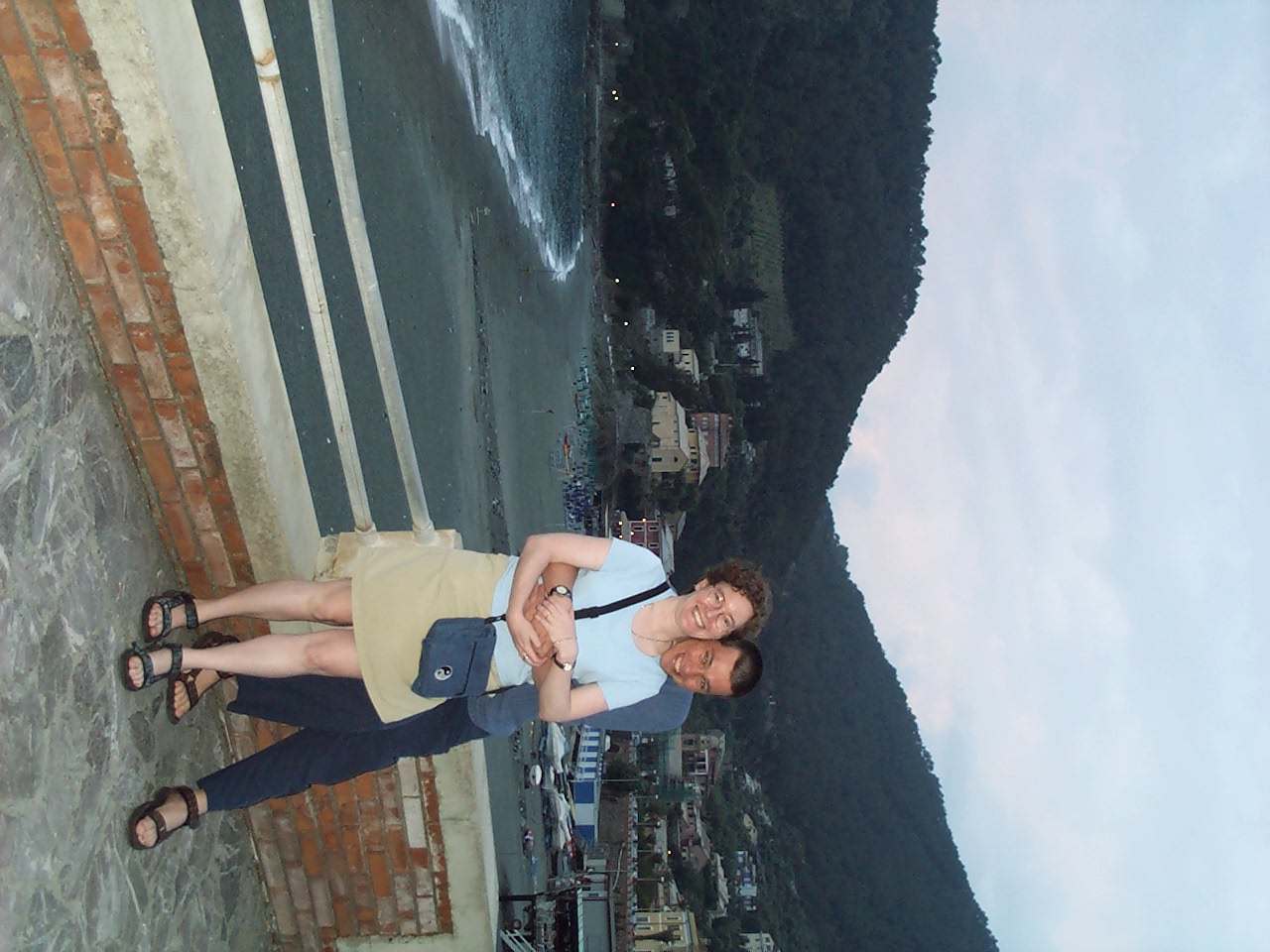
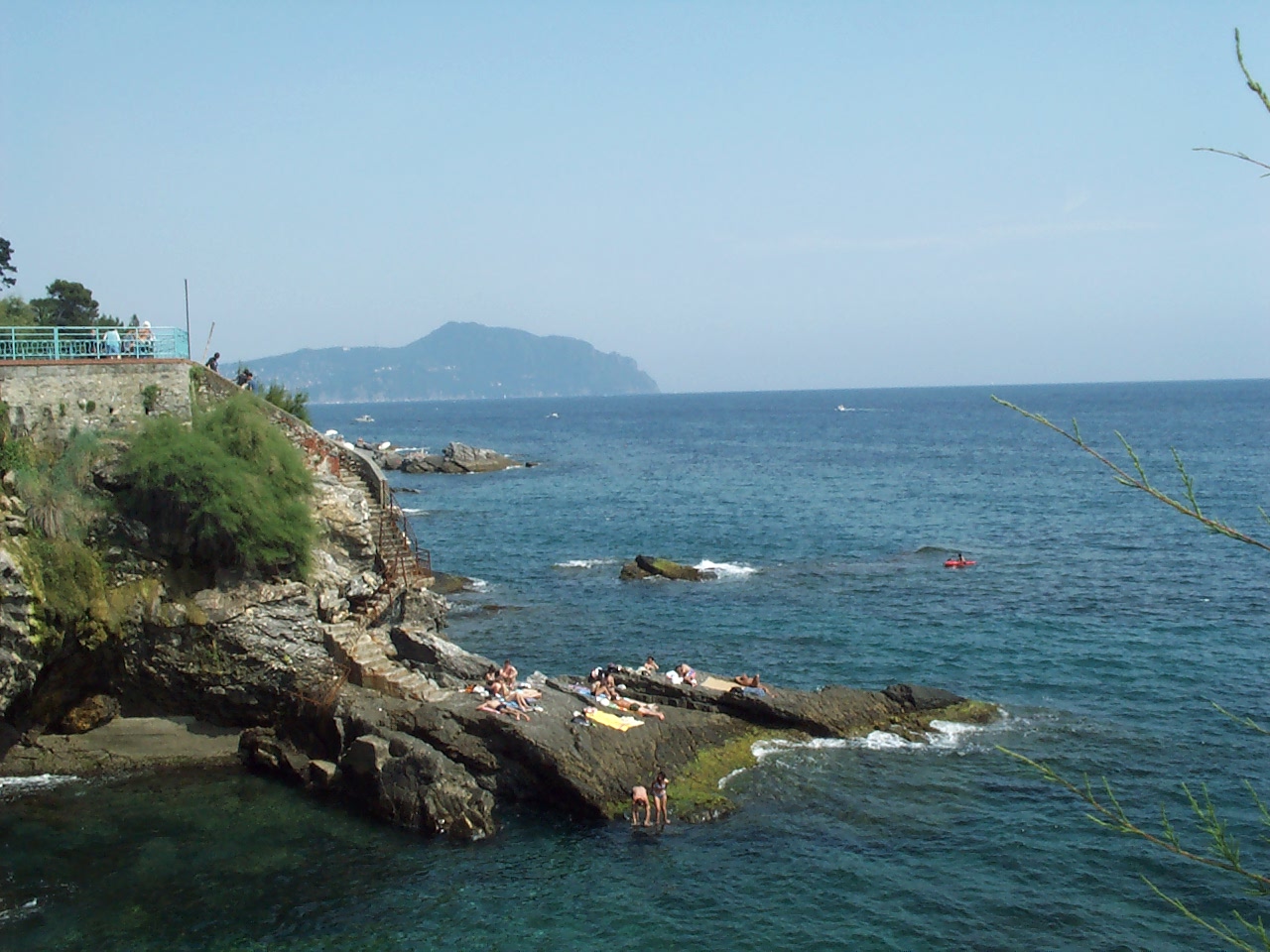
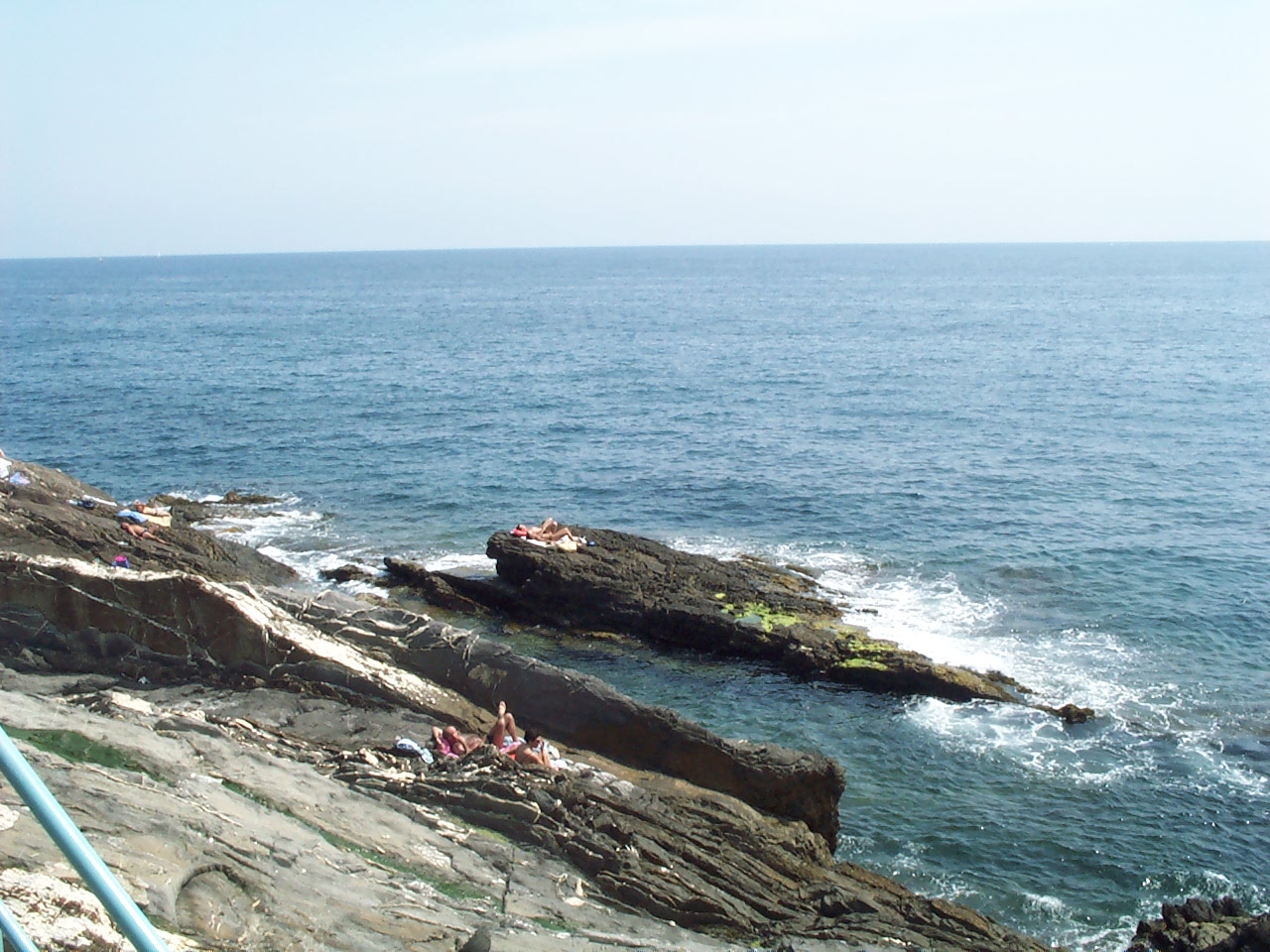
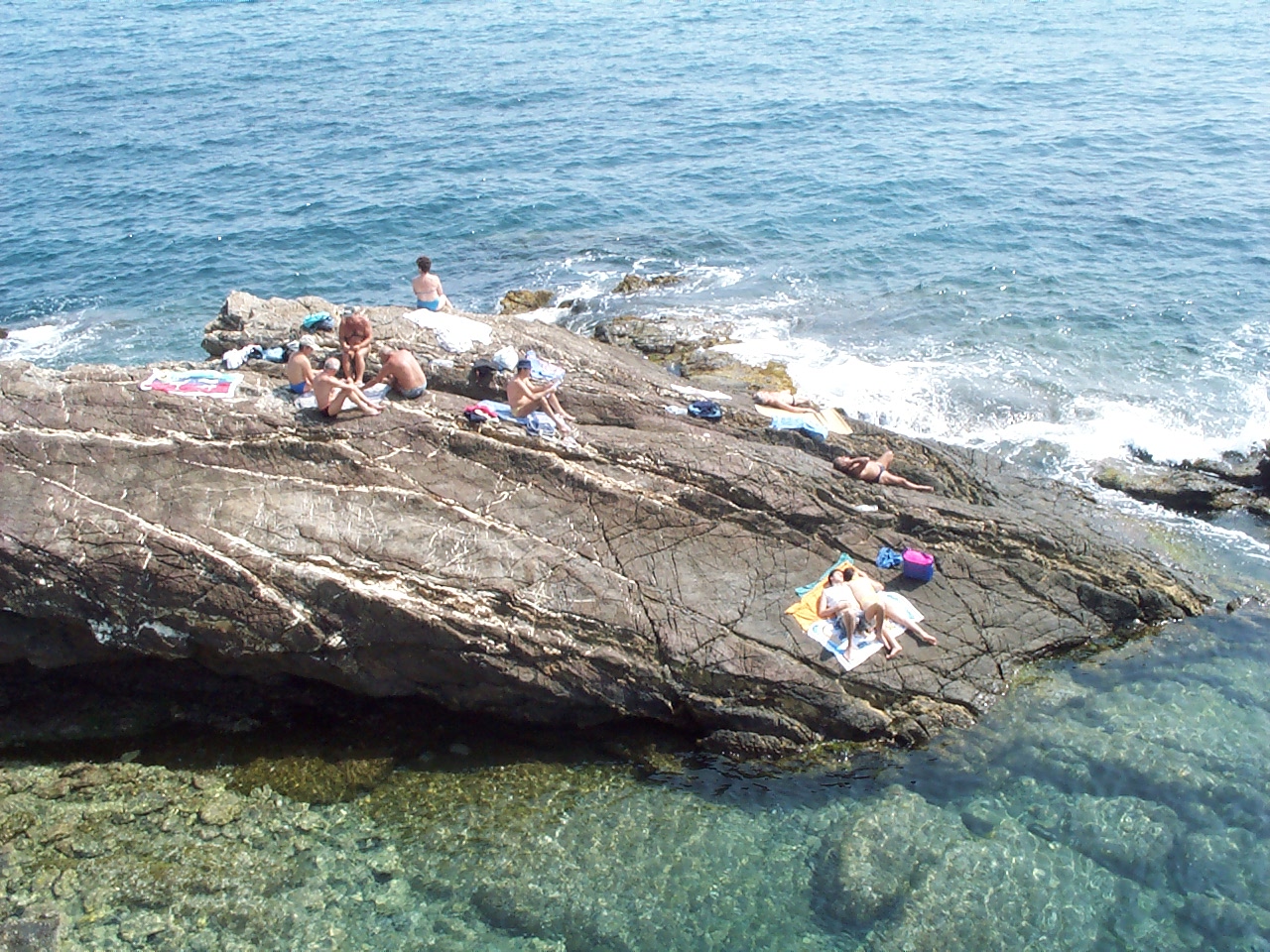
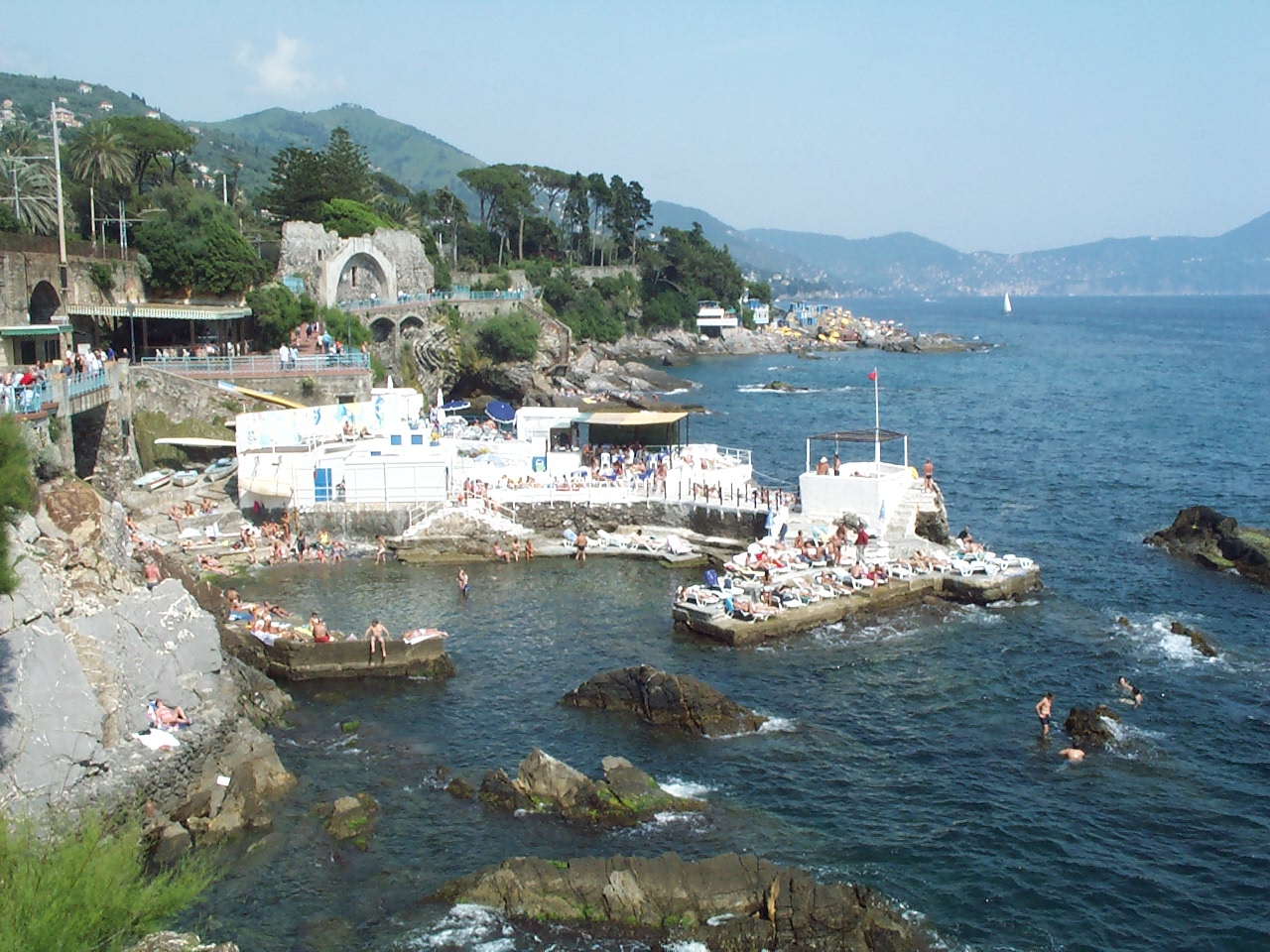
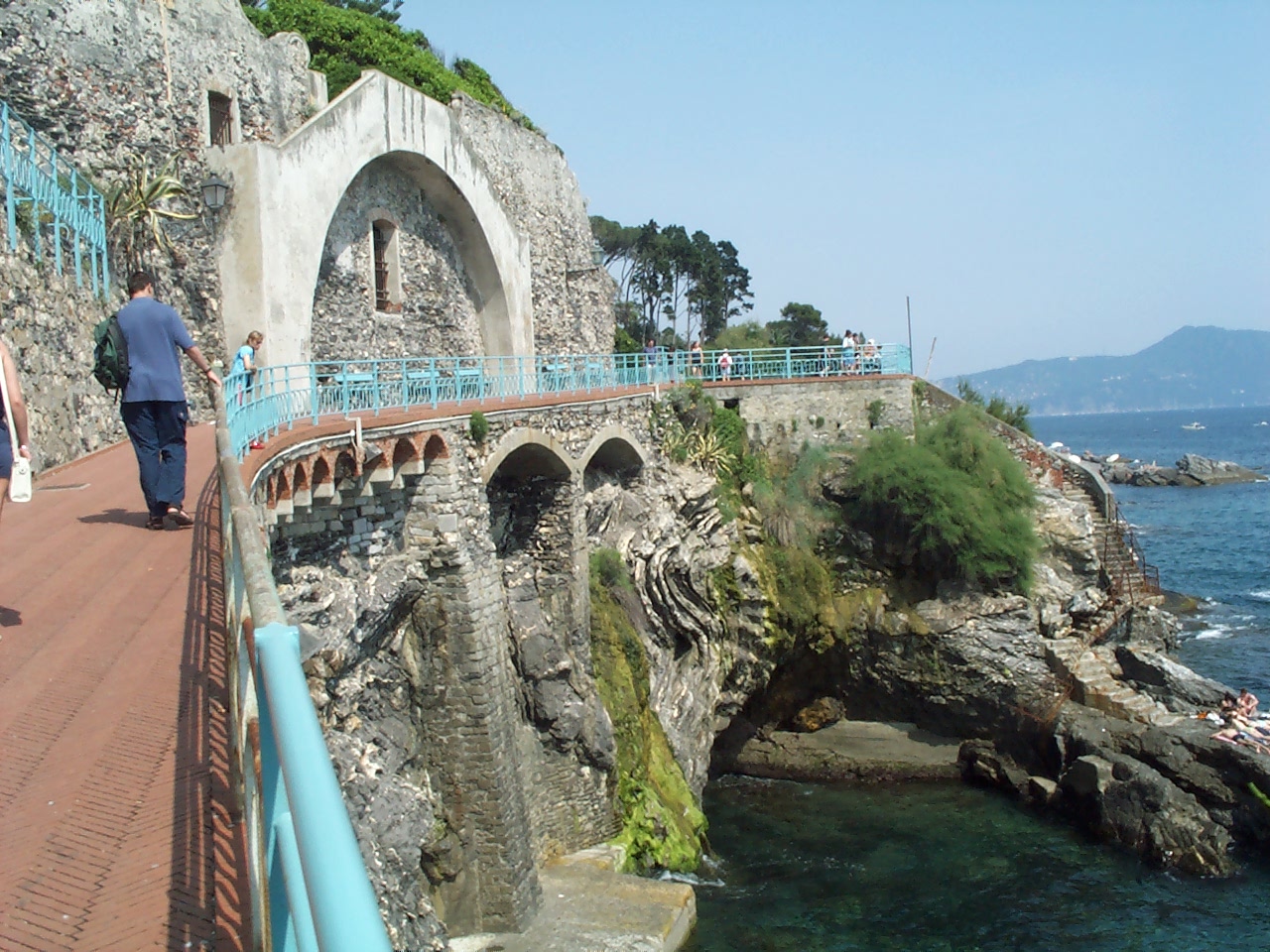
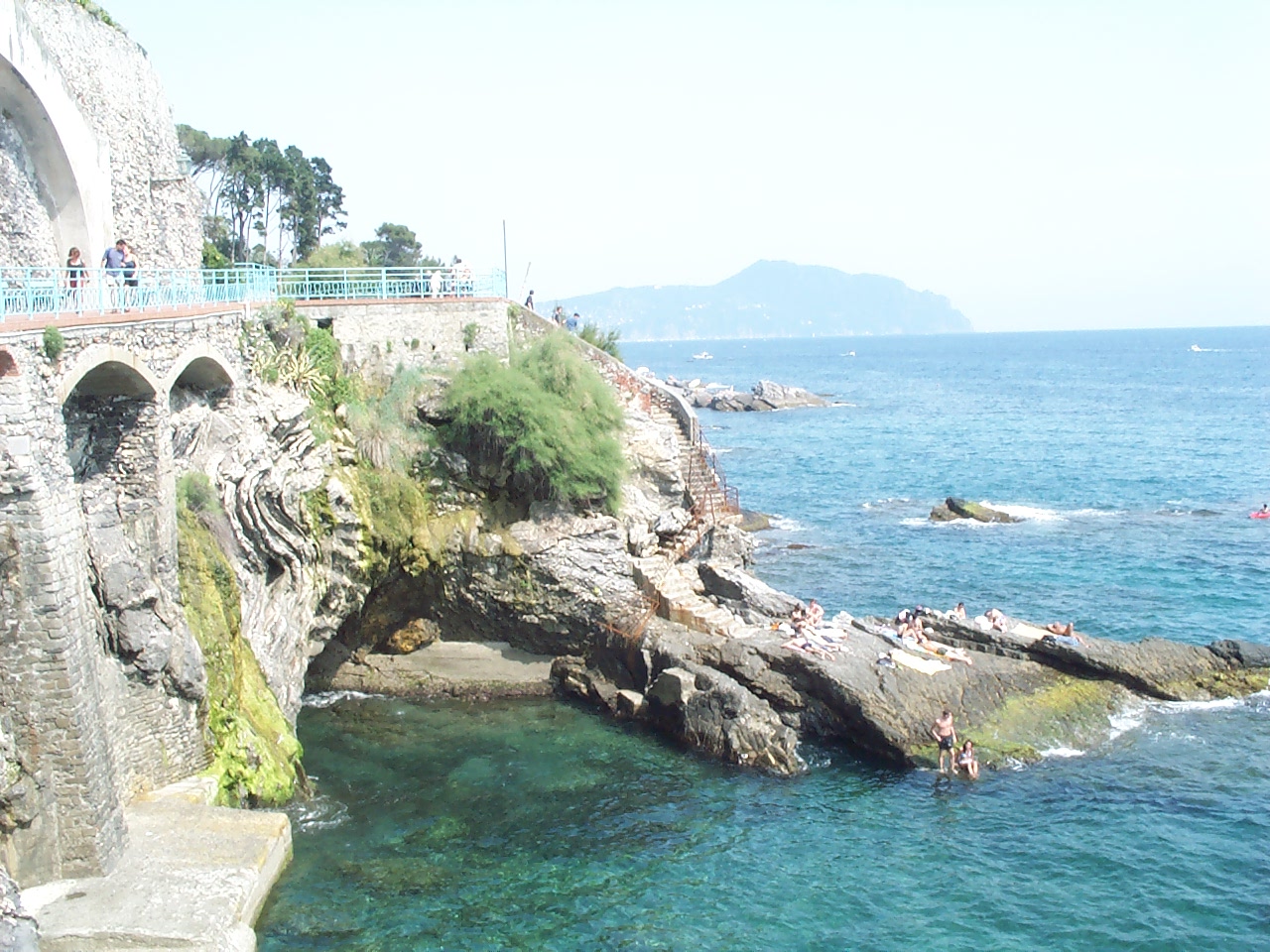
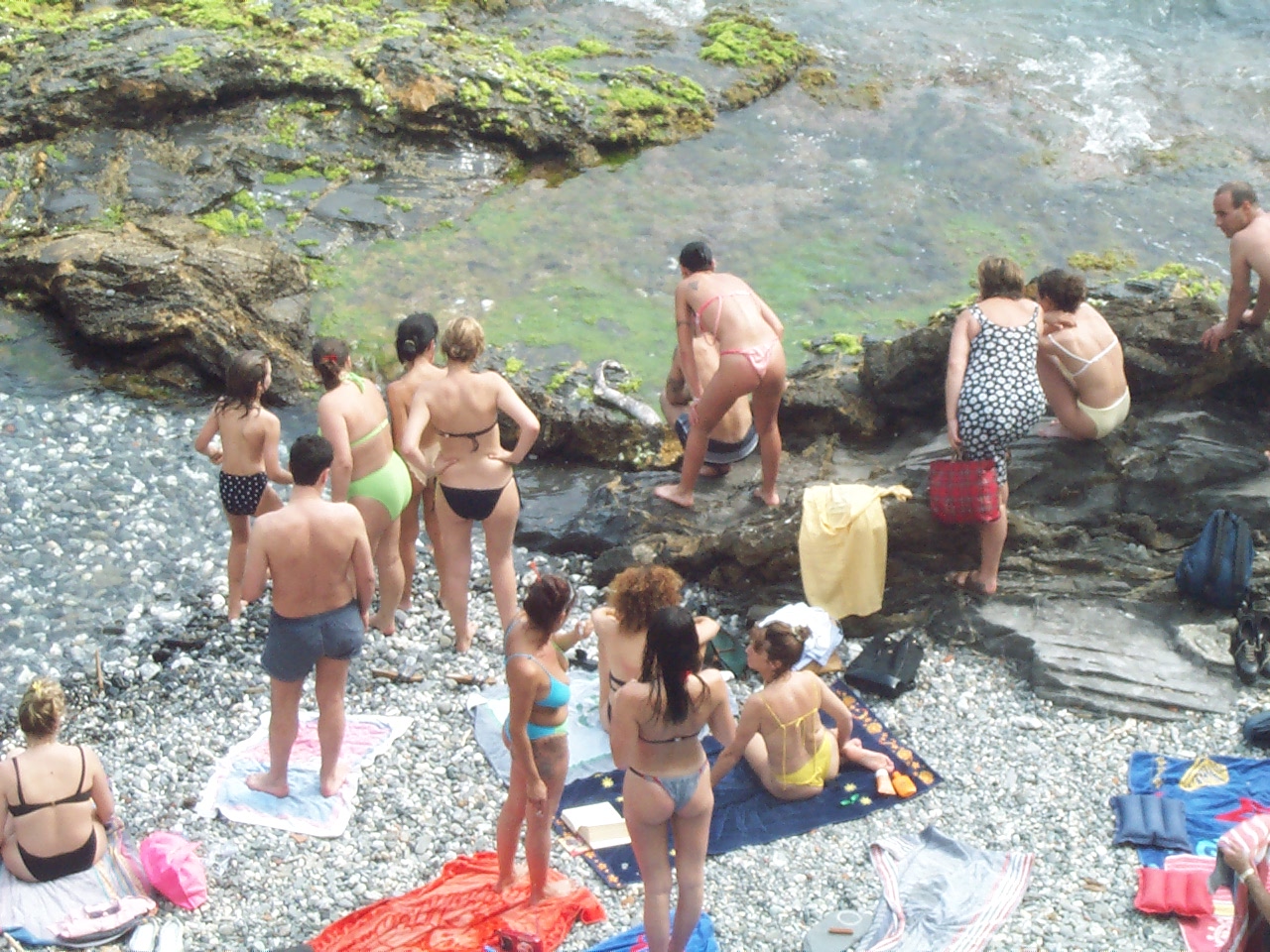
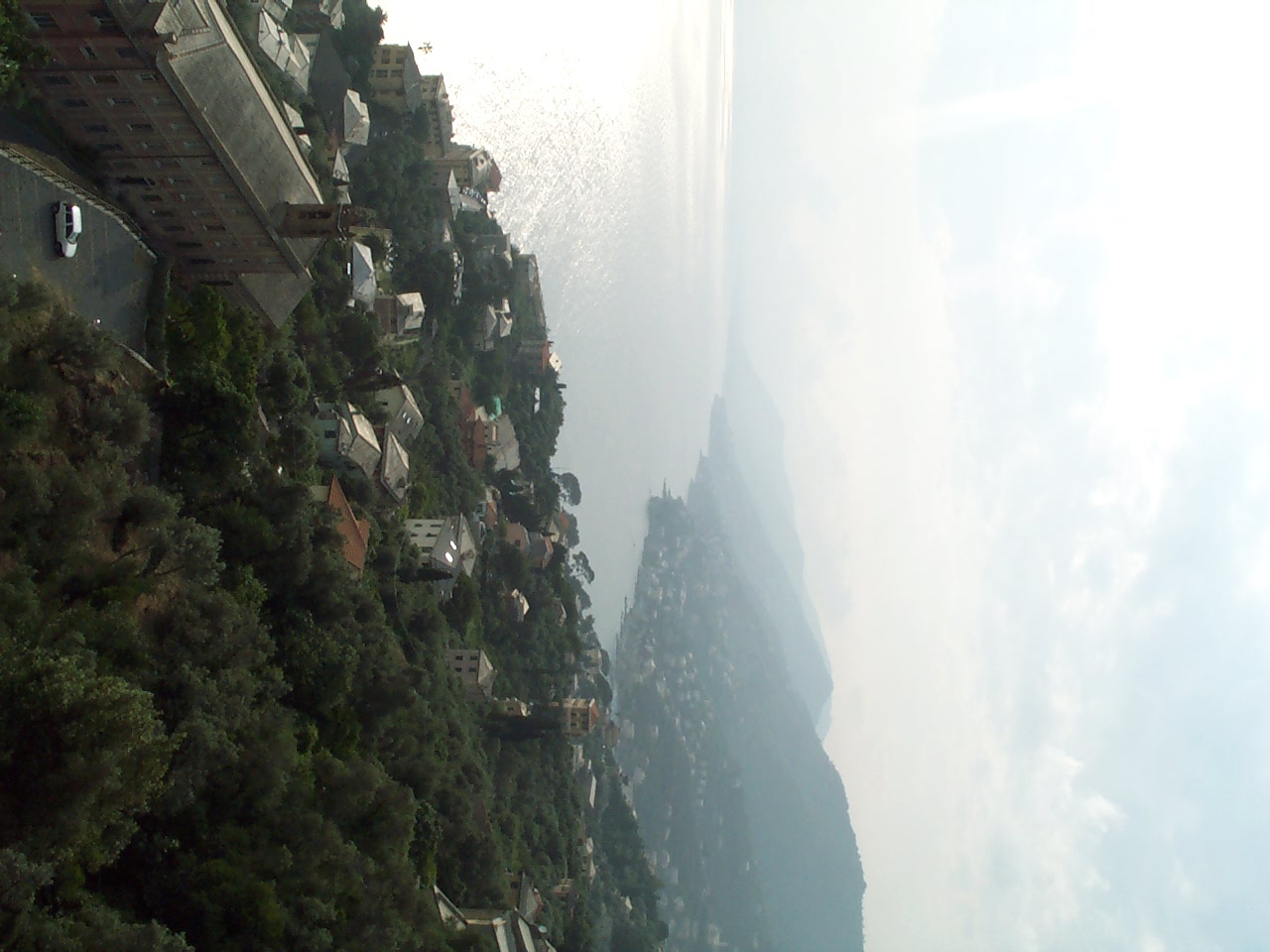
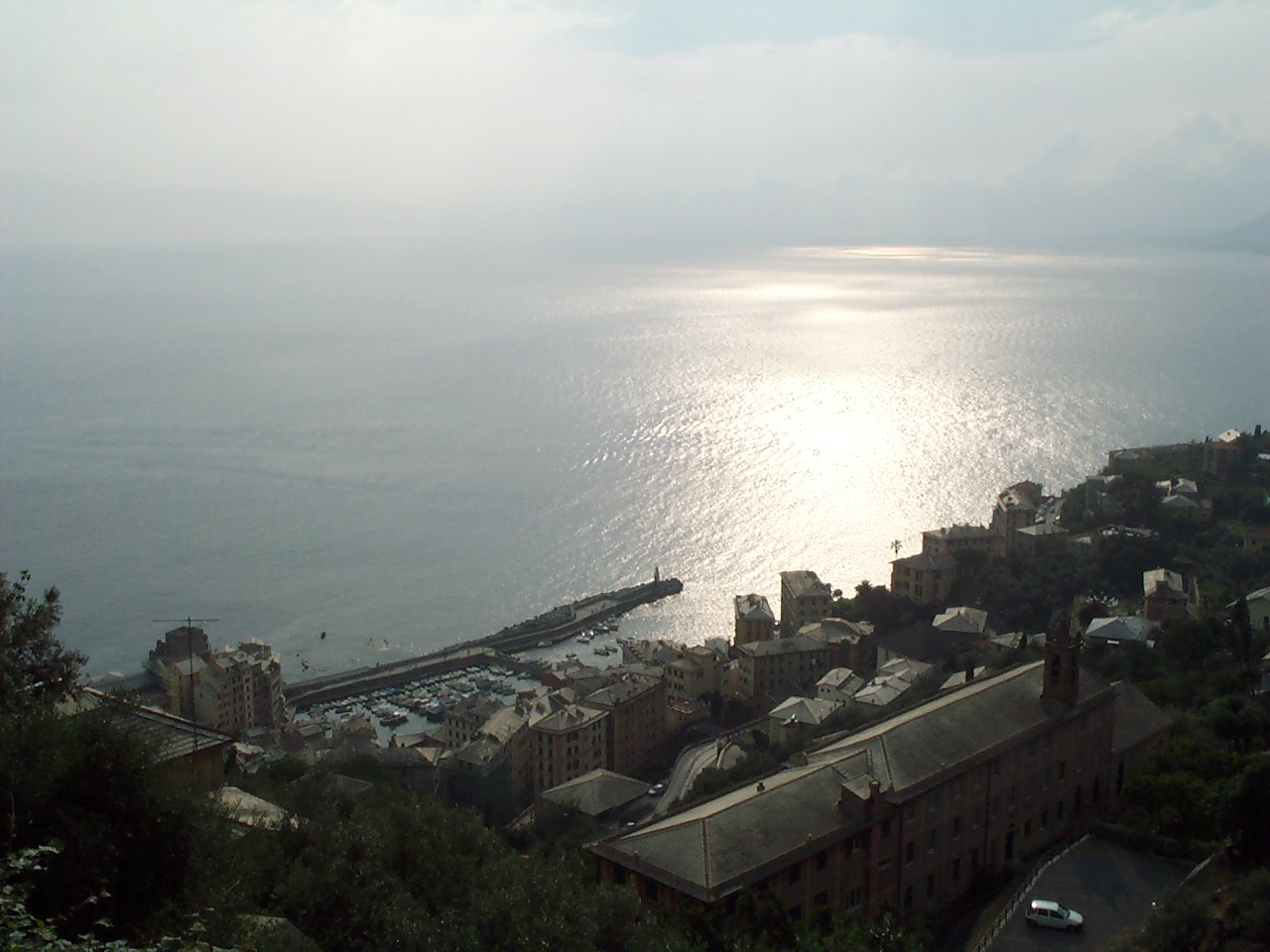
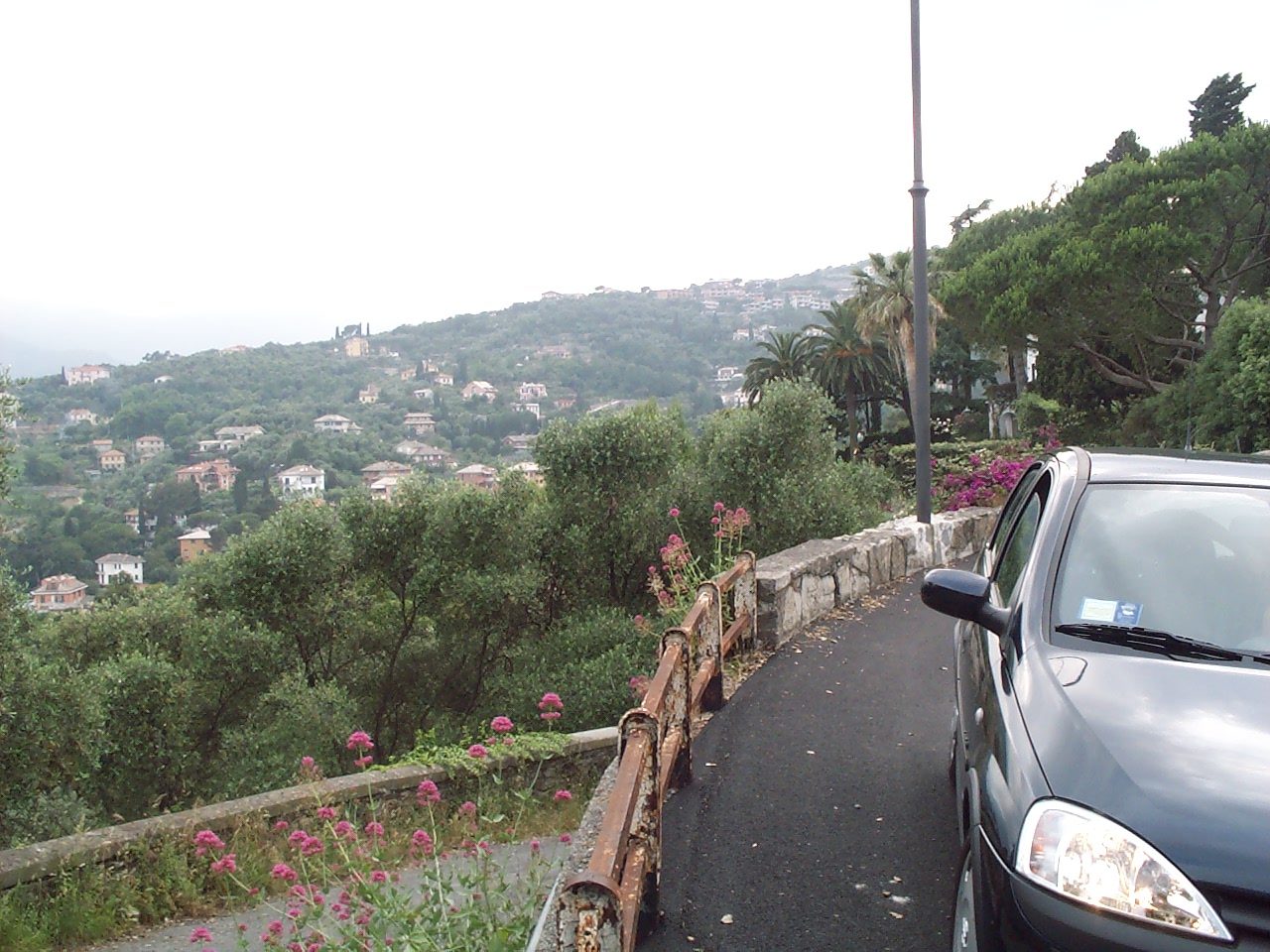
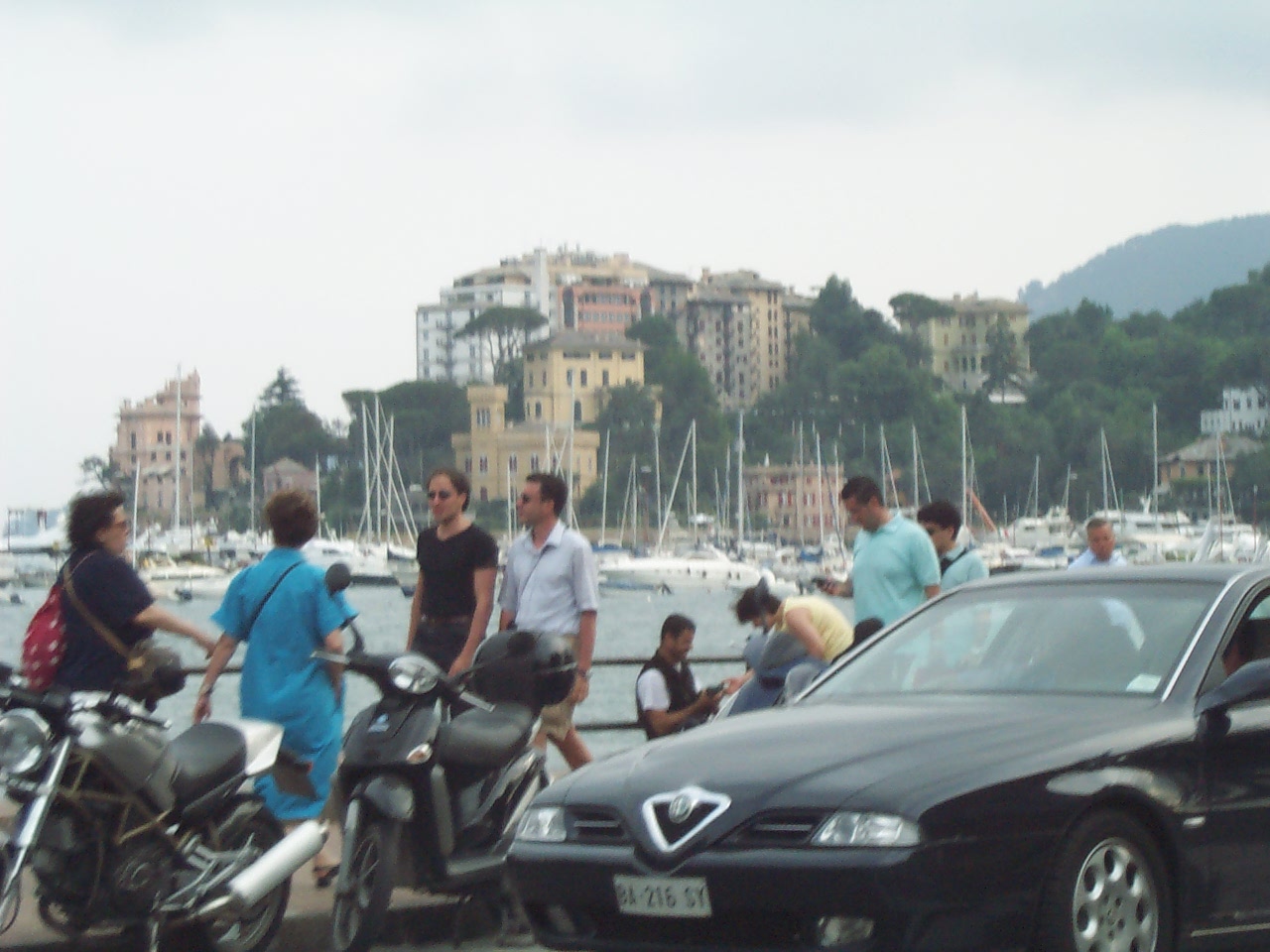
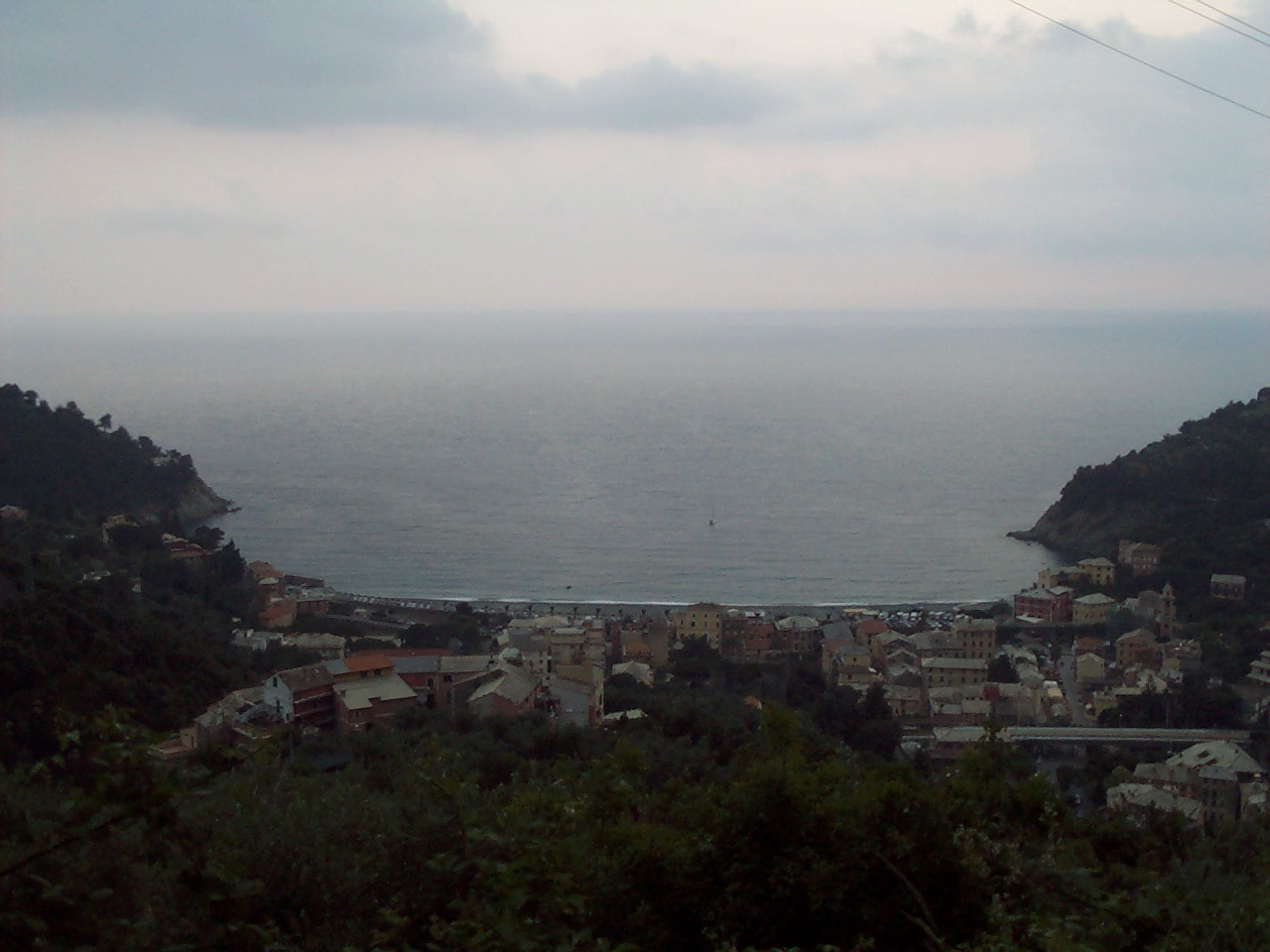
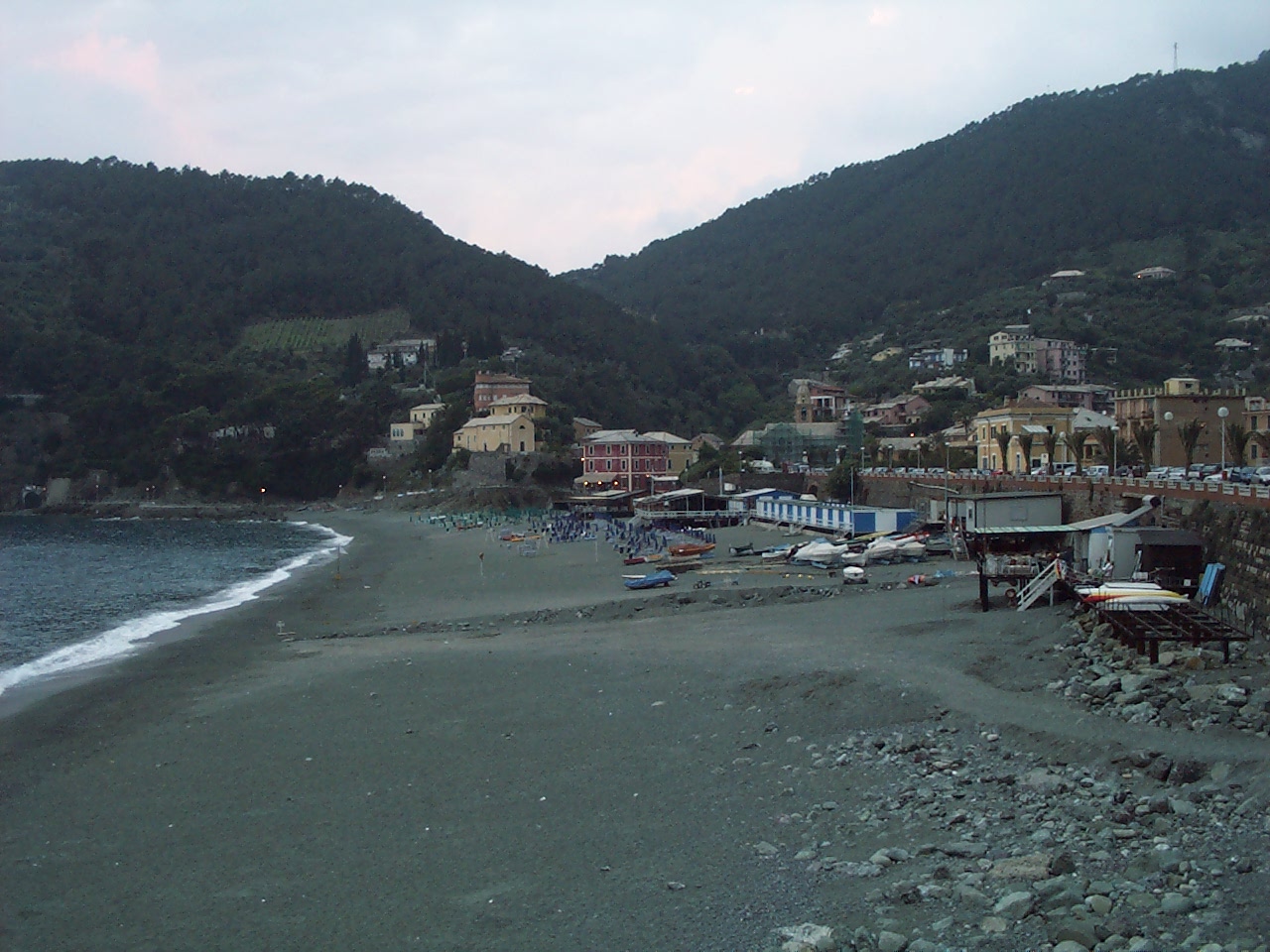
It took us a couple of hours to get to the coast. We stopped just outside Genova in Nervi. We parked the car in an improbable position and walked down to the coast. It was magnificent! The land dropped straight down in the clear, blue water, probably twenty metres below. Everywhere there were little staircases cut into the rock, and people draped over rocks on towels. A few people were swimming. It was beautiful, sunny, clean… heaven.
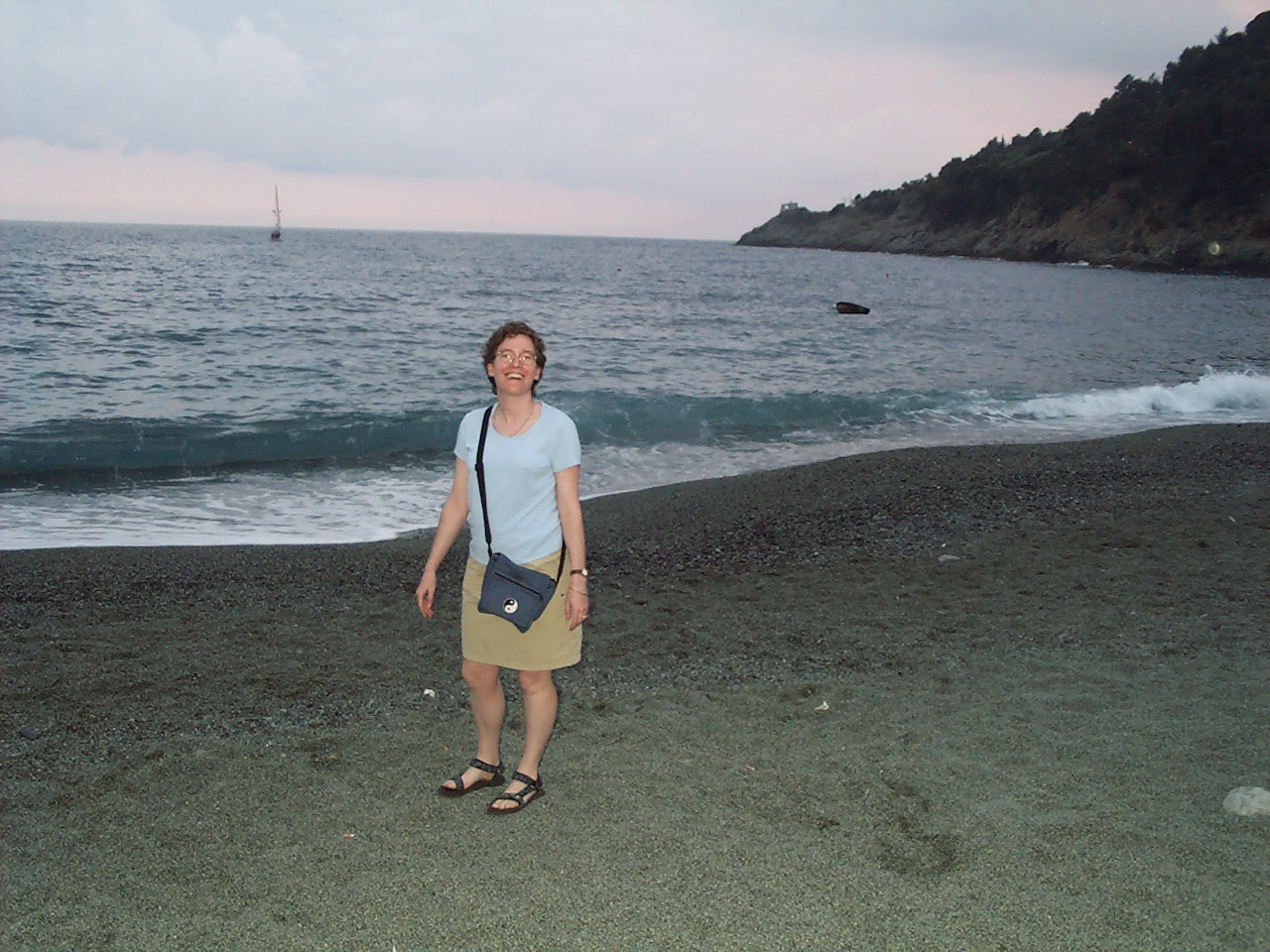
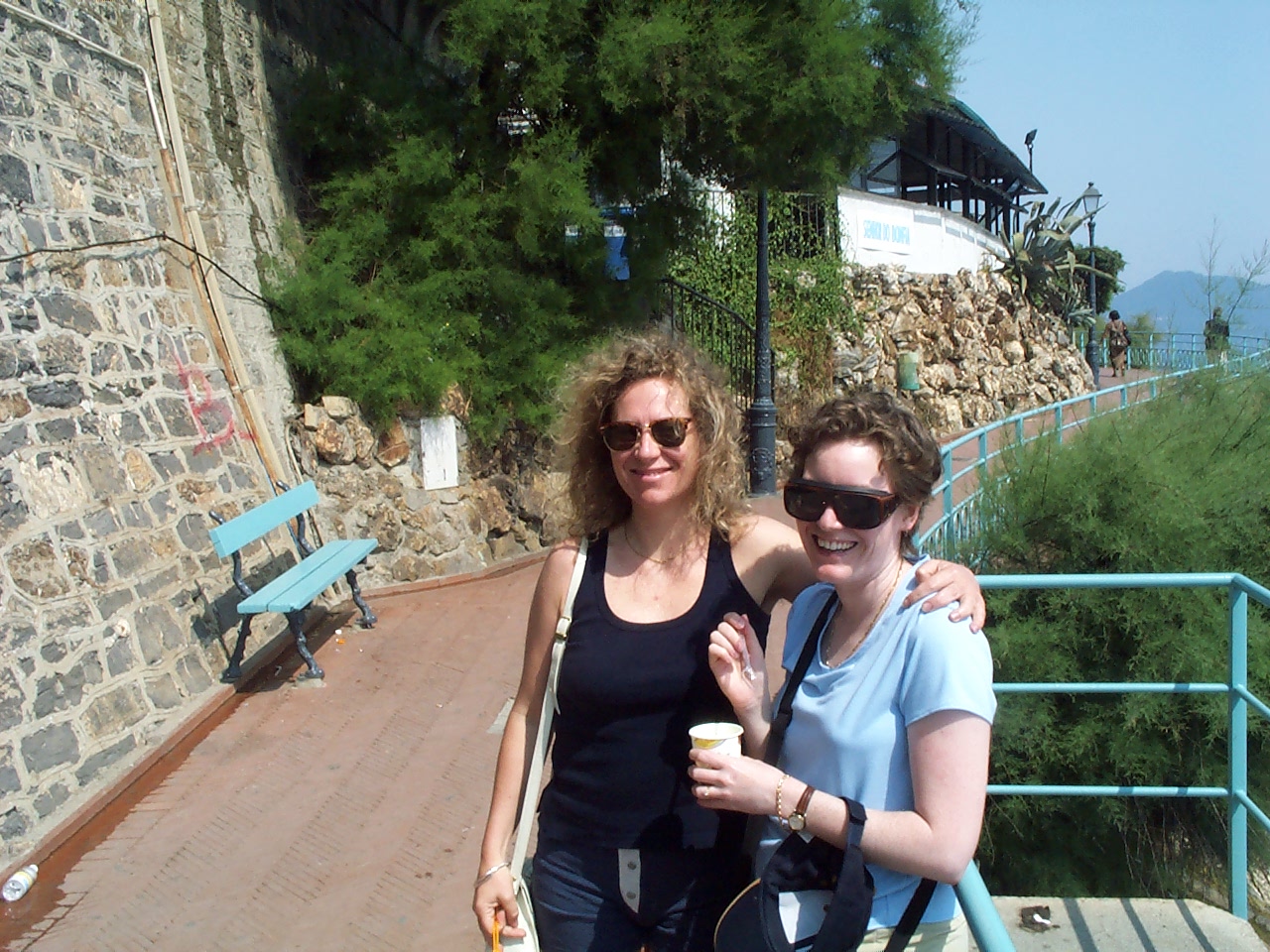
We walked along the top of the clif for about half an hour. There were plenty of Italians sunning themselves, but it never felt crowded. Eventually we headed back into town and had a late lunch at a bar. This was nice, but Gina was positive we got ripped off. It’s hard to prevent this though, because I rarely saw prices displayed for anything.
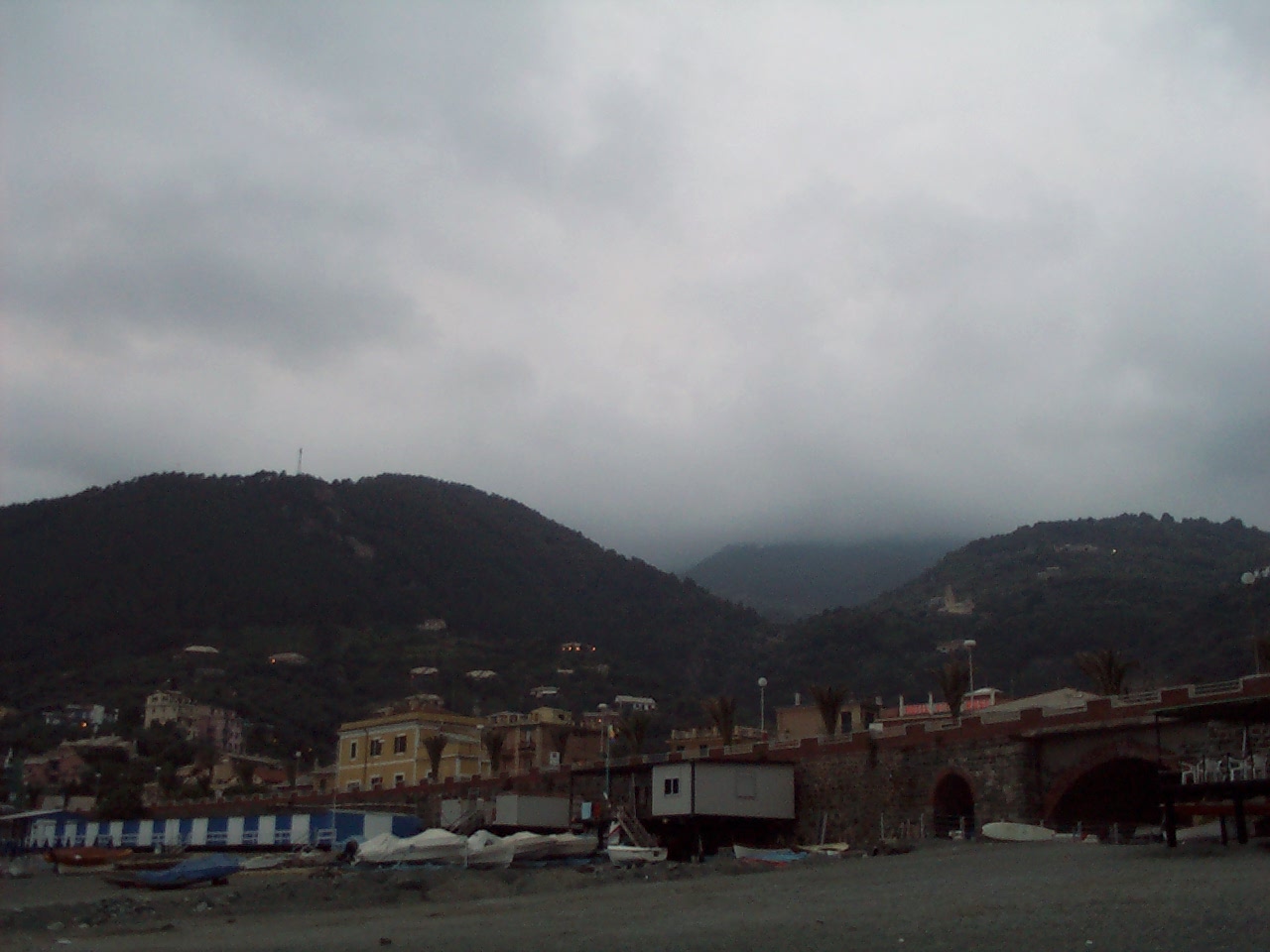
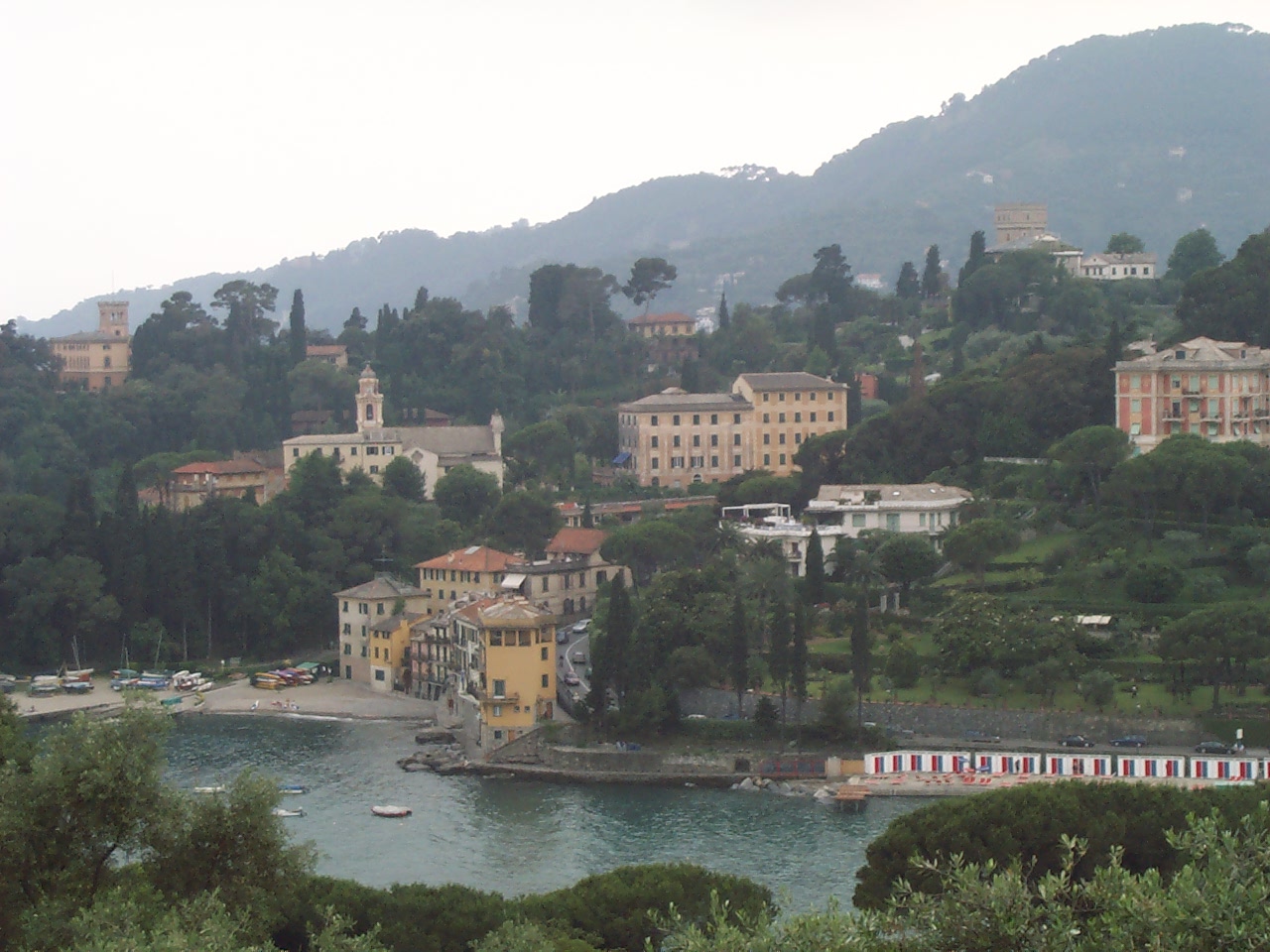
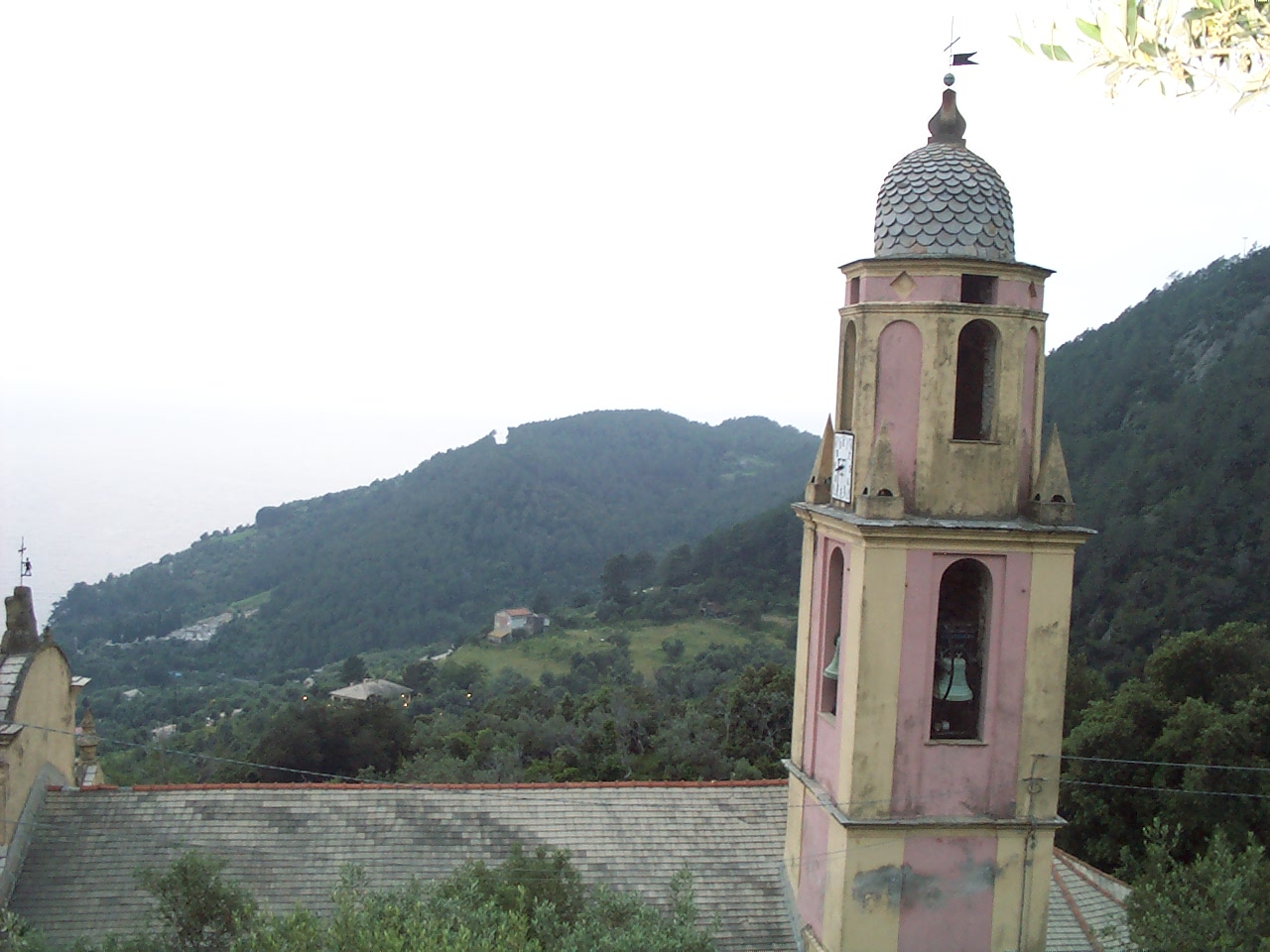
We were determined to reach part of the Cinque Terra, a small area of the Ligurian coast that is beautiful, inaccessible, and therefore not as built up as Nervi. This small area is just outside the town of La Spezia, about 80km away. We headed off in the car on the main road. This was pretty much constant town for about 60 kilometres (still very pretty though). Eventually, we turned off the main road, then turned off that road, then turned off that road, and finally onto a goat track (just kidding) and by 8pm in the last of the light made our way down to Scenia (?). Only just the Cinque Terra I think, but small, picturesque, and surrounded by natural mountains. It was beautiful. Not exactly isolated - the car park was full of tourist cars - but at least there was only one way in and out, so no through traffic. We parked and ran down to the Mediterranean sea and dipped our hands in, and dreamed of coming back here to spend a week in the sun.
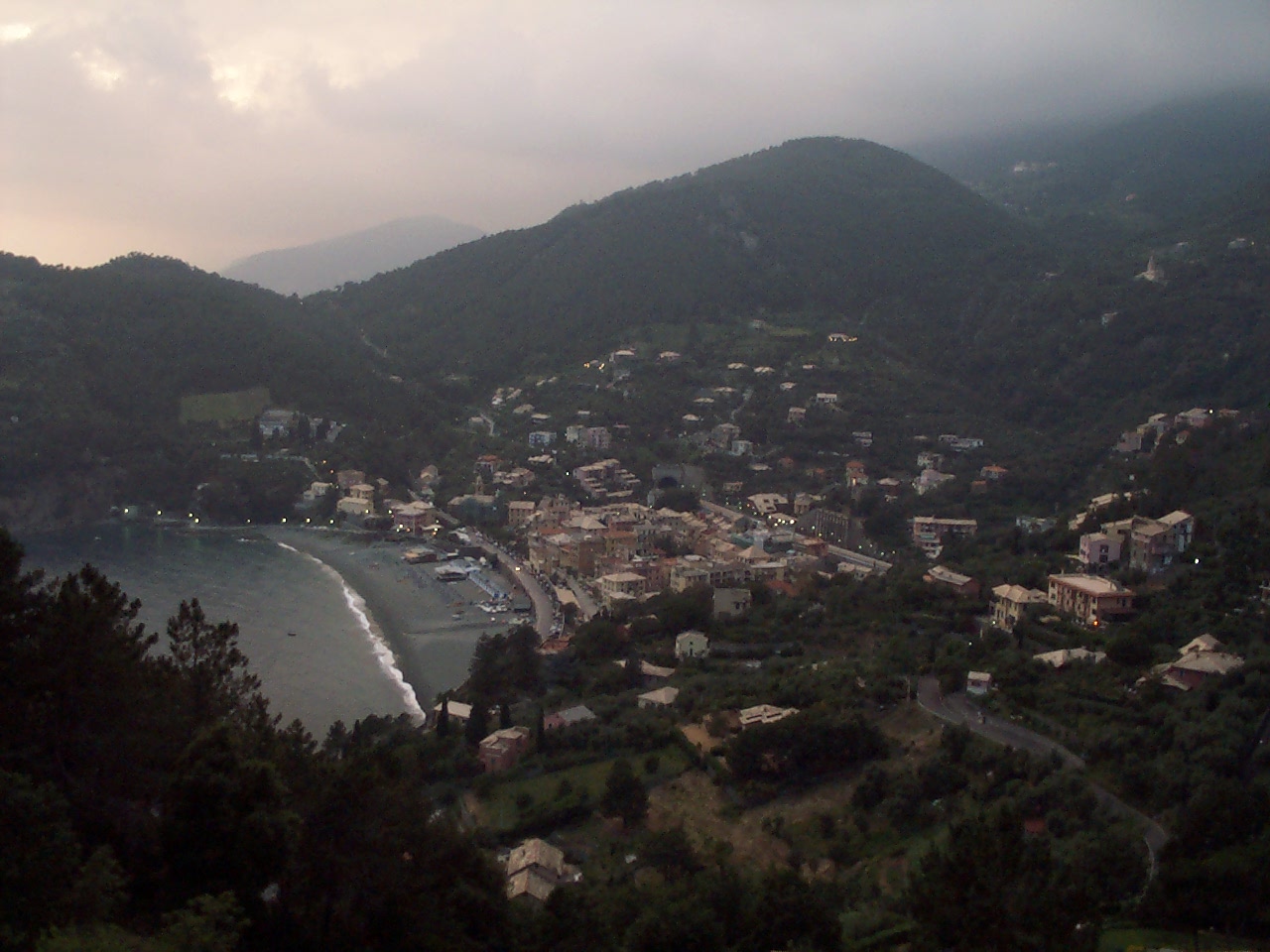
We headed on to Lavante, a slightly bigger town, to have dinner. Lavante was packed. We later discovered this was not just because it was a pretty town, but it had a good access road. Again we parked, (I keep mentioning this because most parks take about 15 minutes of driving around looking for space the size of a postage stamp. Gina, an accomplished Italian driver, got a bit frustrated I think at our lack of aggressiveness!! However, we did always find a spot.
It was about 9pm by now and most of the restaurants on a Saturday night in Lavante were humming. We tried a couple but without a reservation it was impossible. We decided to queue at a large pizzeria, a more casual place to dine. The joint was enormous, and interestingly had translated its menu to German. We did hear lots of German voices too! The food was nice though, lovely seafood salad, home made pasta with pesto sauce (Gina thought pesto was from Liguria, as Liguria has lots of pine trees and pesto sauces is basically pine nuts and basil). It was very good. We had lots of discussions with Gina over our weekend about Italian food and culture. She is half Italian, born in Australia, and loves Italy. It was fanastic to be taken around with someone who was so passionate about the culture and could translate it for us!
Finally, about 11 we packed up, said goodbye to the Ligurian coast with promises to return, and zoomed off. Within about 20 minutes we were on the autostrada, which was excellent (I was dreading an hour of little winding roads first). From there it was a two and half hour zoom back to Milan. The drivers on the autostrada are enormously fast… we varied in speed from 120 to 160 km/hour and we were not the fastest thing on the road by a long shot!!
Travel on the autostrada is easy - you just follow the signs. Getting back into Milan and our hotel was a bit more problematic. Fortunately, Gina got us to within the span of our guidebook map, and then I was able to read it. Fabian spotted the road signs, and Gina negotiated the yellow lights (when all directions can enter an intersection - is this crazy or what??!) so we made a good team and made it to the hotel.
So an extremely enjoyable few days in Milan came to the end the next day, after another enormous lunch. I think we both liked Italy a lot and promised to return.